
Watching your cherished companion slow down and step into their senior years is a profound and special time. This guide is here to make that transition as smooth and comfortable as possible, right here in Dubai. It covers nutrition, a cosy and safe home, gentle grooming and proactive veterinary care, so their golden years truly shine.
Key Takeaways
- Most pets are “senior” in the last quarter of their expected lifespan, as early as six or seven for large-breed dogs and around ten for cats (AAHA, 2023).
- Switch to vet visits twice a year rather than once. It catches arthritis, dental disease and kidney issues while they are still manageable (AAHA 2023 Senior Care Guidelines).
- Joint disease is very common in older pets: more than 90% of cats over twelve show signs of it (Merck Veterinary Manual), so non-slip rugs on Dubai’s tiled floors and an orthopaedic bed genuinely matter.
- Gentle, low-stress grooming, ideally at home, protects fragile ageing skin and doubles as an early-warning health check.
Embracing This Special Chapter with Your Senior Pet
Caring for an ageing pet is a fast-growing part of life in the UAE. Between 2014 and 2024 the country’s pet population climbed from around 588,700 to roughly 938,000, while spending on pet food rose from $61.8 million to $219 million, an increase of more than 250% (USDA Foreign Agricultural Service, 2025). More pets, living longer, means more of us are learning how to look after them well into old age.
Seeing your companion get a little grey around the muzzle is a bittersweet journey, filled with a new depth of tenderness and care. This guide is your friendly roadmap, whether you live near the bustling streets of Downtown Dubai or enjoy the quiet of a Mirdif community with your pet. Our goal is to give you the confidence and knowledge to fill their later years with comfort, health and happiness.
Understanding the Needs of an Ageing Pet
Just like us, pets change as they get older. The daily routine you’ve kept for years might need a few thoughtful adjustments to keep them feeling their best. This isn’t about managing problems. It’s about attuning to their new, gentler pace of life with empathy and support.
Here are the key areas we’ll cover to support your senior pet’s well-being:
- Nutrition and Diet: how to adjust their meals to support ageing joints and a slower metabolism.
- Home Environment: small changes around your home that make a world of difference to their safety and mobility.
- Gentle Grooming: why grooming becomes less about looks and more about health and comfort.
- Veterinary Care: why regular check-ups are essential for catching age-related issues early.
This journey is all about proactive, loving care. It’s about noticing the small details and responding with kindness, so your loyal friend feels secure, comfortable and deeply loved every single day in their Dubai home.
Recognising the Signs of a Senior Pet
So when does your pet officially reach their golden years? Vets generally consider a pet senior in the last quarter of its expected lifespan. In practice that can mean as early as six or seven for large and giant-breed dogs, closer to ten or twelve for small breeds, and around ten for cats (AAHA, 2023). There’s rarely a single birthday that marks it. It’s a quieter, gradual shift.
Spotting these signs isn’t about looking for problems. Think of yourself as a caring observer, picking up on the small cues that show their needs are evolving. Perhaps your dog’s muzzle is gaining that distinguished salt-and-pepper look, or your cat has claimed a sunny spot for exceptionally long naps. These aren’t reasons to worry. They’re gentle reminders to adapt their care with extra patience.
When you’re attuned to these shifts, you can adjust their world to match their changing needs, keeping them comfortable, happy and healthy through their senior years here in our city.
Physical and Behavioural Changes to Watch For
The signs of ageing show up in many ways, from how your pet moves to how they interact with the family. Some changes are physical. Others are cognitive: in a large study of pet dogs, the odds of canine cognitive dysfunction (sometimes called “doggy dementia”) rose by about 52% with every additional year of age (Dog Aging Project, Scientific Reports, 2022). A big part of senior pet care in Dubai is simply being observant and ready to make small adjustments.
To help you spot changes early, here’s a quick-reference table of the most common signs in dogs and cats. If you notice these, it’s worth seeing your vet for a proper diagnosis.
Common Signs of Ageing in Dogs and Cats
| Category of Change | Common Signs in Dogs | Common Signs in Cats |
|---|---|---|
| Physical | Slower to get up, stiff joints after a nap, grey hairs around the muzzle, new lumps or bumps, cloudy eyes, noticeable weight gain or loss. | Hesitancy to jump onto high surfaces, a dull or matted coat from reduced grooming, bad breath or trouble eating, drinking more water, changes in litter box habits. |
| Behavioural | Sleeping more, less interest in long walks or vigorous play, increased anxiety (especially separation anxiety), appearing confused or disoriented in familiar places. | More vocalisation (especially at night), sleeping in new or unusual spots, becoming more clingy and affectionate, or conversely, more withdrawn and irritable. |
Keeping an eye out for these subtle clues helps you stay one step ahead. It’s about meeting your pet where they are in life and making sure they feel safe, loved and comfortable.
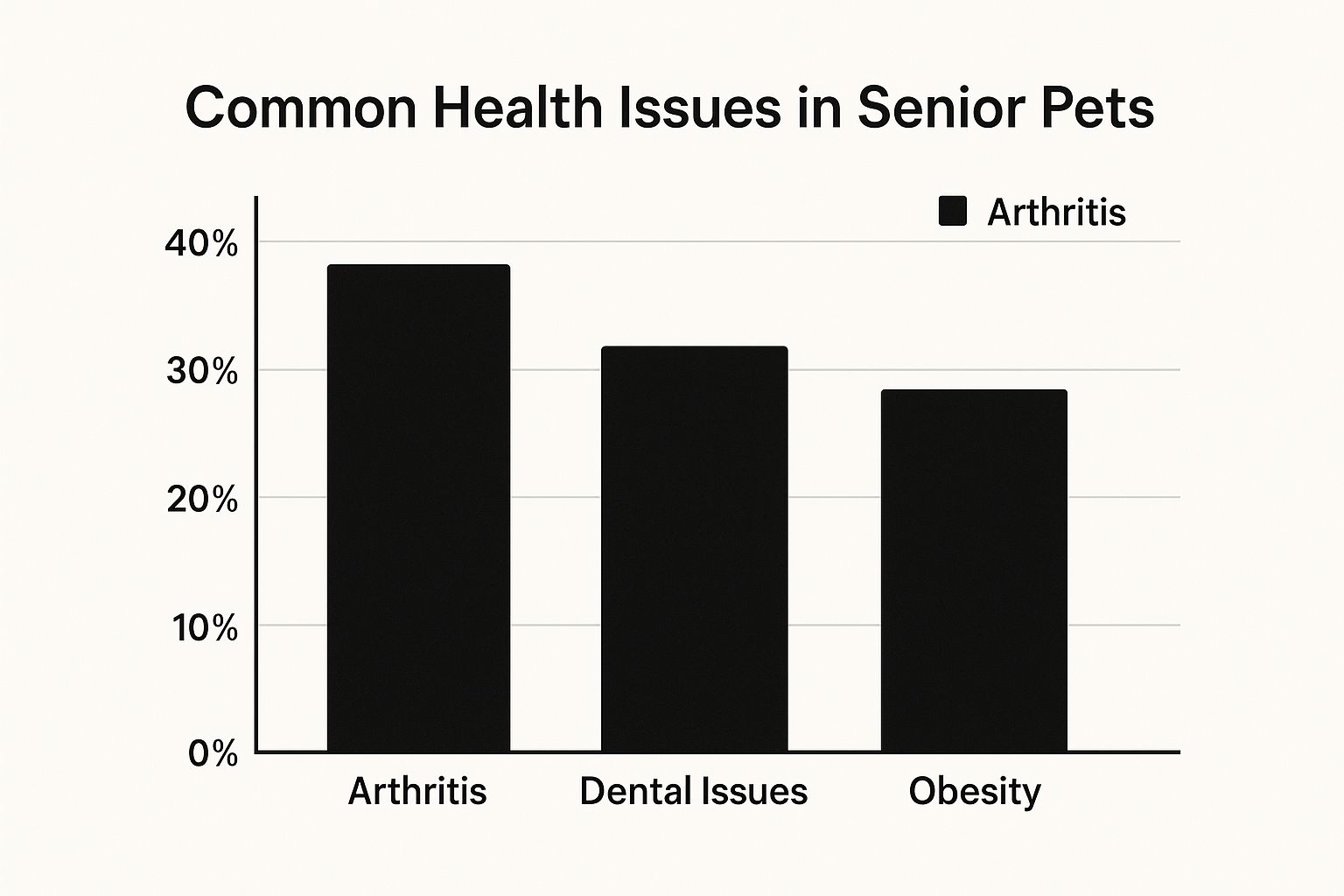
Conditions like joint pain, dental problems and weight management are significant for older companions, which is why regular vet checks matter so much. If you spot any of these signs, the best step is always to consult your veterinarian for a professional diagnosis and tailored advice.
You can read more about the top 5 pet health issues we see in Dubai and how to prevent them in our companion article.
Adjusting Your Senior Pet’s Diet for Their Golden Years
Our own dietary needs change as we age, and it’s exactly the same for our pets. Once they reach their senior years their metabolism slows, their energy levels drop, and their bodies need a different kind of fuel to thrive. Getting nutrition right is one of the most useful things you can do in senior pet care, helping to manage weight, support joints and maintain overall vitality.

An excellent first step is switching to a food formulated for senior pets. These diets aren’t just marketing. They’re developed to give older dogs and cats the precise nutrients they need at this life stage.
What to Look For in a Senior Pet Food
When you’re choosing a senior diet, knowing what to look for makes all the difference. Senior foods usually contain fewer calories to help prevent weight gain, but stay rich in high-quality, easy-to-digest protein to help maintain muscle mass.
Here are a few key ingredients that can make a real difference:
- Glucosamine and Chondroitin: heroes for joint health. They help soothe stiffness and support cartilage, which is important for older pets, especially breeds prone to arthritis.
- Omega-3 Fatty Acids: often from fish oil, these fats can help reduce inflammation, support brain function and promote a shiny, healthy coat.
- Antioxidants: vitamins E and C help combat the cellular damage linked with ageing and give the immune system a welcome boost.
- Increased Fibre: a simple addition that helps keep digestion regular and prevents constipation, a common issue for less active, older animals.
The growing demand for this kind of specialised nutrition is clear in the numbers: UAE spending on pet food more than tripled in a decade, from $61.8 million in 2014 to $219 million in 2024 (USDA Foreign Agricultural Service, 2025). Owners here increasingly want the best for their pets at every age.
Hydration and Mealtime Tips for the Dubai Heat
Living in Dubai’s climate means we have to be extra vigilant about hydration, especially with senior pets. As they age, their sense of thirst can fade, so it’s our job to make sure they’re drinking enough. Keeping pets well hydrated and cool is one of the core warm-weather safety steps vets recommend (AVMA, Warm Weather Pet Safety).
Always have a bowl of fresh, clean water in an easily accessible spot. Some owners find pet water fountains help, as moving water often tempts pets to drink more often.
It’s also common for older pets to become fussier with food. If that happens, a little gentle encouragement goes a long way.
Never force your pet to eat. Instead, try warming their wet food slightly to lift its aroma, or mix in a small amount of low-sodium chicken broth. If they keep refusing food, that’s a clear sign to book a veterinary visit.
Before making any significant change to your pet’s diet, check with your veterinarian first. They can tailor recommendations to your pet’s breed, health conditions and lifestyle. For more everyday advice, see our useful pet care tips to keep them safe and healthy. A well-planned diet is one of the kindest things you can do for a senior pet.
Creating a Safe and Comfortable Home Environment
Joint disease is one of the most common problems of older pets. Around 60% of all cats, and more than 90% of cats over twelve, show signs of degenerative joint disease, and up to 40% of dogs have osteoarthritis by the age of four (Merck Veterinary Manual). That single fact is why a senior pet’s home matters so much, and why Dubai’s beautiful tiled floors deserve a second look.
As pets age, their home needs to become their sanctuary, a place where they feel safe, secure and comfortable. Whether you live in a sleek Downtown Dubai apartment or a sprawling villa in Jumeirah, a few simple changes make a big difference. The trick is to see your home through their eyes.
Consider the polished tiled floors common in Dubai homes. They look elegant, but to a senior pet with stiff joints they can feel like an ice rink. That causes anxiety with every step and raises the risk of a painful fall. A few well-placed non-slip rugs or runners can instantly restore their confidence.
Optimising for Mobility and Access
It’s all about creating safe pathways. Trace your pet’s daily routes, from their bed to their food bowl and to the door for walks. Making sure these high-traffic areas have good grip is a simple, very effective way to support them.
Beyond the floors, think about their favourite spots. Is hopping onto the sofa becoming a struggle? A pet-friendly ramp or a set of small steps means they don’t have to give up their beloved cuddle time with you.
The goal is to reduce daily struggles so your pet can save energy for what truly matters: enjoying their time with you. Small obstacles can feel like mountains to them, so removing those barriers is an act of real care.
Another easy win is raising their food and water bowls. This small change eases strain on the neck and back, especially for taller dogs or any pet with arthritis. It makes mealtimes more pleasant and can even aid digestion.
Enhancing Comfort and Safety
A quality resting place is non-negotiable for an older pet. Their joints need much more support now, which makes an orthopaedic bed a great investment. Memory foam cushions aching joints and muscles and helps them get the restorative sleep they need. Place the bed in a quiet, draught-free corner where they can relax but still feel part of the family.
Temperature control matters more for seniors too, as they can be sensitive to both heat and cold. Keep their favourite snoozing spot out of the direct path of a powerful air-conditioning unit. Given our climate, a cooling mat or a consistently shaded, comfortable spot is essential. For more on this, see our guide to preventing pet heatstroke.
Finally, don’t forget their senses. As vision and hearing fade, keeping your furniture layout consistent helps them move around with confidence. A simple plug-in night light can make a real difference too, lighting the way to the water bowl at night and preventing stumbles or confusion. These thoughtful touches are what turn a house into the perfect haven for their golden years.
Why Gentle Grooming Is Essential for Your Senior Pet
When pets reach their golden years, grooming stops being about looking good and becomes part of their health and happiness. Their skin grows more delicate, their joints may be stiff, and they can’t always twist and turn to groom themselves the way they once did. A gentle, patient approach is essential for their comfort. In our at-home grooming visits across Dubai, this is one of the biggest differences we see between younger and older pets.
For an older companion, a regular grooming session is a key piece of preventative care. It stops fur becoming painfully matted, which can pull on sensitive skin and cause real discomfort. It also gives you a valuable hands-on check, a chance to spot any new lumps, bumps or skin issues early.
The Benefits of a Specialist Grooming Touch
Adapting the routine to suit a senior pet’s changing needs turns grooming from a stressful chore into a soothing experience. A groomer who understands older animals knows that patience and a soft touch are everything.
Here’s why it’s so beneficial:
- Healthy Skin and Coat: a gentle brush-through stimulates circulation and spreads natural oils, which is great for coat health. Soothing, hypoallergenic shampoos suit the dry, itchy skin that often comes with age.
- Preventing Painful Matting: older cats and long-haired dogs often can’t reach every part of their body, which leads to mats. These get surprisingly tight and painful, and can hide infections or restrict movement.
- An Extra Set of Eyes on Their Health: a groomer’s hands-on approach is perfect for noticing early signs of problems, from skin tags to more serious concerns they can flag for your vet.
- Comfortable Paws: overgrown nails are a major issue for seniors. They affect balance and add strain to arthritic joints. Regular, careful nail trims keep pets mobile and comfortable.
Why At-Home Grooming Suits Senior Pets
For many senior pets in Dubai, the stress of a car journey and a noisy, unfamiliar salon is simply too much, especially for pets dealing with anxiety, joint stiffness or cognitive changes. This is where the calm convenience of at-home grooming makes all the difference.
Our professional mobile pet grooming services bring the salon to your door, whether you’re in Dubai Marina, Jumeirah or Mirdif. No stressful car trips. Instead, your pet is pampered in the one place they feel completely safe and relaxed: their own home.
Choosing at-home dog and cat grooming gives your senior companion a calm, one-on-one session focused entirely on their comfort. It’s a gentle approach that puts their emotional well-being alongside their physical health.
Across the UAE there’s a growing appreciation for this level of care. Senior pet owners in Dubai are actively seeking services that genuinely understand ageing pets, reflecting a real commitment to helping every pet live out their later years with dignity, love and comfort.
Staying Ahead of the Curve: Proactive Vet Care for Your Senior Pet
For senior pets, the single most effective change you can make is switching from annual to twice-yearly check-ups. Leading veterinary bodies recommend that healthy senior dogs and cats be examined at least every six months, with key diagnostic tests on a six to twelve month cycle (AAHA 2023 Senior Care Guidelines). Because pets age far faster than we do, a lot can change in twelve months.
This proactive approach isn’t about waiting for a problem. It’s about preventing one. More frequent visits let your vet catch common age-related conditions, such as arthritis, dental disease or kidney issues, early, when they’re far more manageable.
Think of it less as a “sick visit” and more as a regular wellness consultation. It’s the ideal moment for your vet to spot subtle shifts: a slight change in weight, new stiffness in the gait, or an early signal in bloodwork. In a city like Dubai, having that consistent, expert eye on your pet is invaluable.
What to Expect at a Senior Wellness Check
During these visits your vet may suggest routine screenings. The terms can sound technical, but they’re simply tools for getting a clearer picture of your pet’s internal health. Understanding them helps you be a better partner in your pet’s care.
Here’s a quick overview of common screenings:
- Senior Blood Panel: a comprehensive blood test that assesses liver and kidney function, blood sugar and cell counts, often revealing hidden issues like diabetes or early organ disease before symptoms appear.
- Urinalysis: a simple urine sample that reveals a lot about kidney health and hydration, and can flag urinary tract infections, which older pets are more prone to.
- Blood Pressure Check: like us, pets can develop high blood pressure, often a silent issue linked to other conditions. A quick, painless check helps protect their cardiovascular health.
- Dental Exam: this goes well beyond bad breath. Your vet looks for tartar, gum inflammation or loose teeth, which can be very painful and affect overall health.
You Are a Key Part of the Healthcare Team
Never underestimate your own observations. You see your pet every day and know their habits better than anyone. Always feel free to raise what you’ve noticed at home.
Is their appetite different? Are they sleeping more soundly, or more restlessly? Do they seem stiff after getting up from a nap in your Jumeirah apartment? These details are vital pieces of the puzzle that help your vet see the full picture.
A helpful tip: before your appointment, jot a few notes or questions on your phone. That way you won’t forget anything important, and you’ll leave the clinic with a clear, actionable plan.
In the end, the partnership you build with your veterinarian is the foundation of excellent senior pet care. It helps you make the best decisions, so your old friend can live out their years happily and comfortably here in the Golden City.
Common Questions About Senior Pet Care
As your loyal companion enters their golden years, it’s completely normal to have questions. You’re navigating a new chapter together. To offer some peace of mind, here are answers to the questions we hear most often from senior pet owners in Dubai.
At What Age Is My Pet Considered a Senior?
Vets define “senior” as the last quarter of a pet’s expected lifespan rather than a fixed birthday. Large and giant-breed dogs can be senior as early as six or seven, small breeds closer to ten to twelve, and cats from around ten years old (AAHA, 2023). Larger dogs simply age faster, so ask your vet where your pet sits.
How Often Should My Senior Pet See a Vet in Dubai?
At least twice a year once your pet is a senior, roughly from age seven. Leading veterinary guidelines recommend a check-up every six months for older dogs and cats (AAHA, 2023). Dubai’s heat can worsen age-related conditions like arthritis, so more frequent visits help your vet catch and manage concerns early.
My Older Dog Struggles on Our Tiled Floors. What Can I Do?
This is a very common challenge in Dubai homes. Smooth tiles feel slippery and unsafe for a senior dog with joint pain or muscle weakness, and joint disease affects a large share of older pets (Merck Veterinary Manual). Place non-slip rugs or runners along their main routes, from bed to food bowl to front door. It’s a small change that adds confidence and cuts the risk of a painful fall.
Is At-Home Grooming Really Better for My Senior Cat?
For most senior cats, yes. A salon trip, with the car ride and unfamiliar surroundings, can be hugely stressful, especially for a cat already coping with anxiety or stiff joints. Our mobile cat grooming brings a calm, gentle session to your doorstep in Dubai, so your cat stays in their familiar, safe space while a groomer experienced in older pets handles them with patience and care.
What Is the Best Exercise for an Old Dog in Dubai’s Heat?
Work with the weather, not against it. Walk during the coolest parts of the day, very early morning or late evening once the sun is down, and watch closely for any signs of overheating (AVMA). A few tips:
- Choose short, gentle strolls over one long, strenuous walk.
- Stick to soft surfaces like grass where you can, as it’s far kinder on ageing joints than hot pavement.
- Add indoor activities. Puzzle toys and scent games keep the mind sharp without straining the body.
Always keep fresh water available. This thoughtful approach keeps your companion happy, engaged and healthy.
At Pets in the City, we understand how precious the bond with an ageing companion is. Whether you need advice on making your home more comfortable or want to book a stress-free, at-home grooming session for your dog or cat, our team is here to help make their golden years the best they can be.
Ready to give your senior pet a calm, at-home grooming experience? Book our mobile service or visit petsinthecity.me to learn more.
