
Dubai's dramatic sandstorms are a unique part of life here, but for pet owners, they bring a specific set of challenges. The fine dust and pollutants carried on the wind can pose significant health risks to our beloved dogs and cats, affecting everything from their sensitive respiratory systems to their delicate eyes and skin. As a Dubai-based pet care expert since 2011, we understand the concerns of residents in neighbourhoods like Dubai Marina and Mirdif when the skies turn orange.
This isn't about fear; it's about preparation and ensuring your pet's well-being. Being equipped with the right knowledge and a clear plan ensures your pet remains comfortable, healthy, and safe through every dusty day. We know that as a pet parent in the UAE, you want practical, expert-backed solutions that you can implement quickly to protect your furry family members.
That is why we've developed this sandstorm safety: a complete pet care checklist for Dubai's dusty days. It’s more than just general advice; it's a comprehensive, caring guide detailing specific, actionable steps to safeguard your companion. We will cover everything from setting up indoor safe zones and managing air quality to post-storm health checks and essential grooming needs. This checklist is organised to give you peace of mind, breaking down what you need to do before, during, and after a sandstorm hits. Think of this as your go-to resource for navigating this unique aspect of Dubai life with confidence, ensuring your pet’s health is always the top priority.
1. Indoor Air Filtration and Purification Systems
When a Dubai sandstorm rolls in, the air outside becomes thick with fine dust and sand particles (known as PM2.5 and PM10) that can easily find their way indoors. For our beloved pets, especially those with sensitive respiratory systems, brachycephalic (flat-faced) breeds like Pugs and Persian cats, or older animals, this presents a significant health risk. High-efficiency air filtration systems are your first line of defence, creating a safe sanctuary inside your home.
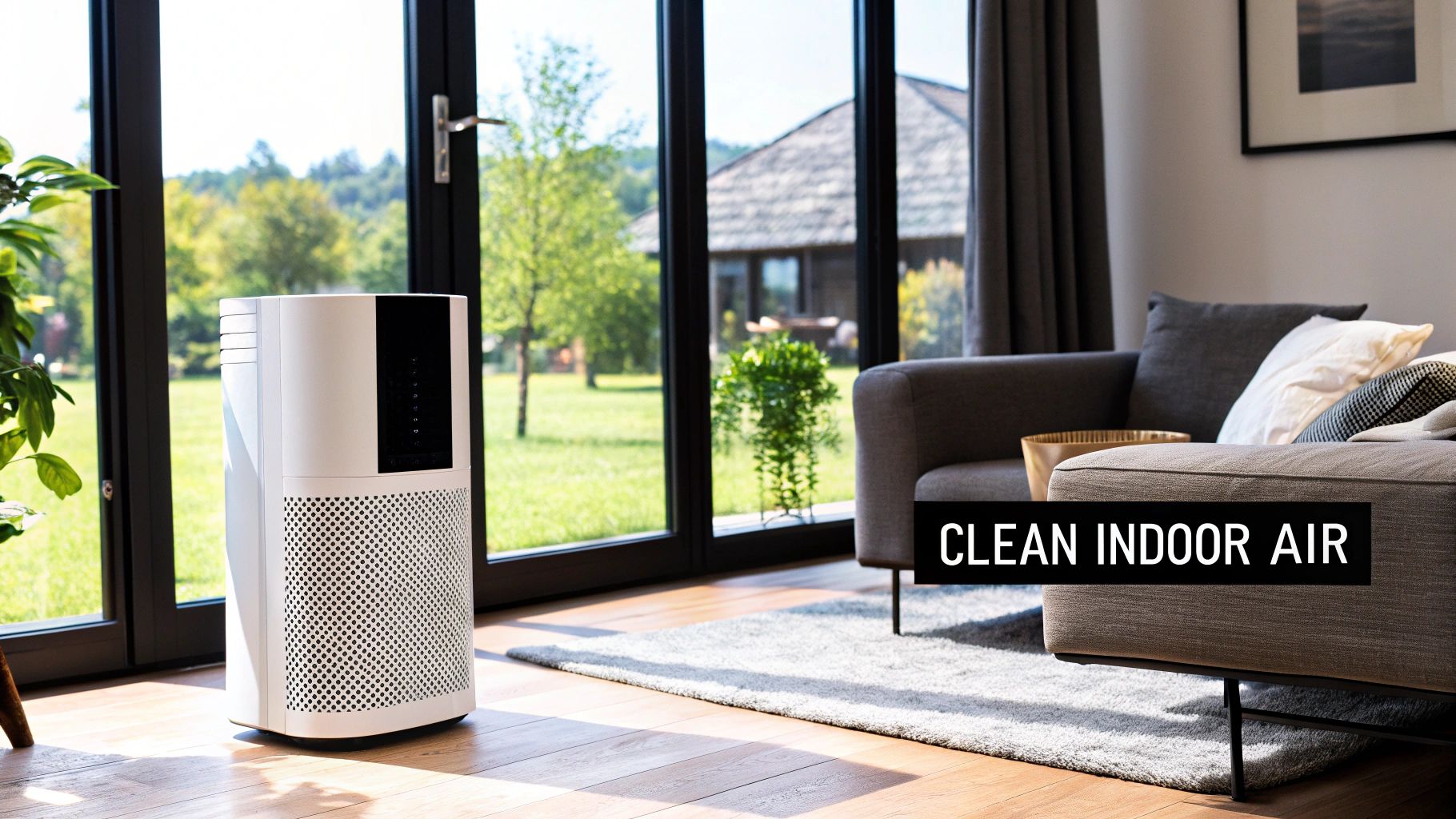
These systems, often equipped with HEPA (High-Efficiency Particulate Air) filters, are designed to capture up to 99.97% of airborne particles as small as 0.3 microns. This includes the microscopic dust that can bypass standard air conditioning filters and irritate your pet’s lungs. During sandstorms, maintaining healthy indoor air quality is paramount for your pet's respiratory system and overall well-being, and a dedicated purifier makes a world of difference.
The positive impact of these devices is well-documented right here in Dubai. Local veterinary clinics often report a significant reduction in respiratory cases during the sandstorm season after actively recommending air purifiers to their clients, underscoring their importance for pet care in Dubai.
How to Maximise Your Air Purifier's Effectiveness
To get the most out of your air filtration system and create the safest possible environment for your pet, follow these practical steps:
- Strategic Placement: Don't just place the unit in a corner. Position it in the room where your pet spends the most time, ensuring there is adequate space around it for optimal air circulation.
- Pre-emptive Action: Don't wait for the storm to hit. Check the forecast and run your system on its highest setting for 2-3 hours before the sandstorm is predicted to arrive. This cleans the existing air and prepares your home.
- Seal Your Home: Maximise efficiency by sealing gaps around windows and doors with weather stripping. This prevents contaminated air from seeping in and overwhelming your purifier.
- Filter Maintenance: A clogged filter is an ineffective one. Pay close attention to the filter indicator light and schedule filter changes during calm weather periods to ensure your unit is always ready for action.
By integrating a high-quality air purifier into your sandstorm safety checklist, you provide a crucial layer of protection, ensuring your furry family members can breathe easy when the dust settles outside.
2. Emergency Pet Hydration and Eye Care Protocol
The intense, dry conditions of a Dubai sandstorm pose a dual threat to our pets: dehydration and severe eye irritation. The fine, abrasive dust in the air can quickly absorb moisture from your pet's body and cause painful damage to their sensitive eyes. An emergency hydration and eye care protocol is a non-negotiable part of your sandstorm safety checklist, providing immediate relief and preventing long-term complications like corneal scratches or conjunctivitis (inflammation of the eye).
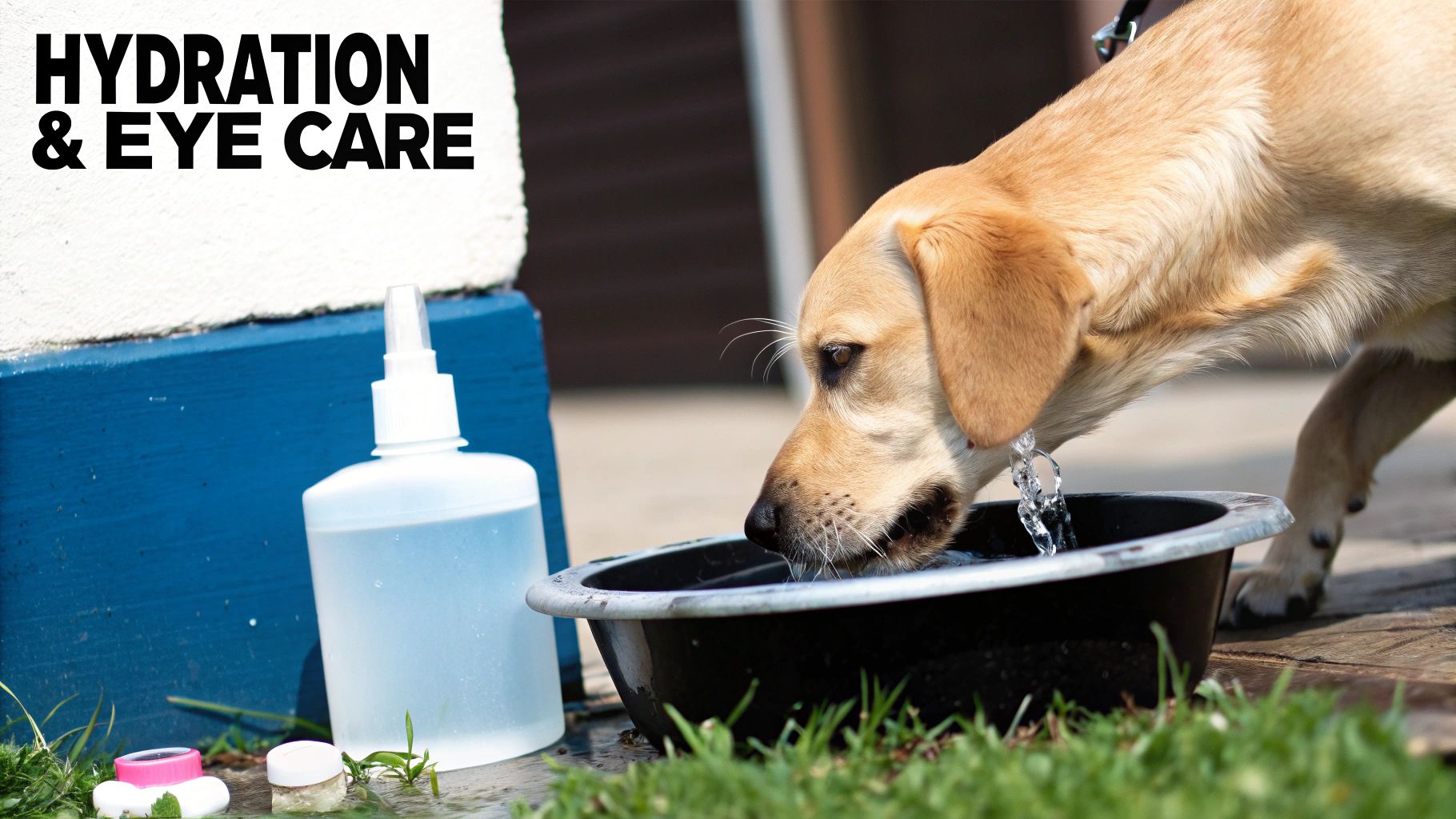
This protocol focuses on proactive and reactive care. It involves diligent monitoring of your pet’s water intake and applying specific, gentle techniques to keep their eyes clean and lubricated. This caring approach is crucial for preventing the discomfort and potential infections caused by microscopic dust particles.
The effectiveness of this protocol is proven across the UAE. During severe storm seasons, local animal shelters and veterinary clinics successfully prevent countless cases of eye infections in animals by strictly adhering to these guidelines.
How to Implement Your Pet's Care Protocol
To protect your pet’s eyes and ensure they remain properly hydrated when the dust swirls, follow these veterinarian-approved steps:
- Proactive Hydration: Don't wait for signs of thirst. During an active sandstorm, offer your pet fresh, clean water frequently and monitor their consumption. Keep their water bowl scrupulously clean and filled.
- Check for Dehydration: A simple skin elasticity test can help. Gently pinch the skin on the back of your pet's neck; it should snap back within two seconds. If it returns slowly, it's a sign of dehydration, and you should encourage more fluid intake.
- Safe Eye Cleaning: To clean your pet’s eyes, use a sterile cotton pad or soft cloth lightly dampened with a lukewarm saline solution. Gently wipe from the inner corner of the eye outward, using a fresh section of the cloth for each wipe and a separate cloth for each eye to prevent cross-contamination.
- Preventive Lubrication: If a storm is forecast, consider applying a veterinarian-approved protective eye lubricant or drops. This creates a barrier that helps shield the cornea from abrasive dust particles. Always consult your vet for the right product for your pet's health.
3. Protective Clothing and Barrier Systems for Outdoor Exposure
While the safest place for your pet during a Dubai sandstorm is indoors, some necessary, brief outdoor trips for toileting may be unavoidable. In these situations, specialised protective clothing and barrier systems act as a crucial shield, defending your pet against the abrasive sand particles and harsh winds. These items are designed to minimise direct exposure and prevent dust from irritating sensitive areas like their eyes, skin, and paws.
This proactive approach involves using gear like breathable bodysuits, protective eyewear (often called "doggles"), and durable paw booties. The goal is not to enable long walks but to make essential, short trips outside significantly safer. The benefits of such gear are recognised by professionals across the UAE; for example, Dubai Police K-9 units utilise military-grade protective equipment to maintain operational capability during adverse weather. For pet owners in Dubai, finding high-quality protective gear can be a great step in your sandstorm safety plan.
The popularisation of these items by leading brands has made them more accessible to residents across Dubai, from Jumeirah to Downtown Dubai. You can find a range of these products in dedicated pet retail shops in Dubai.
How to Use Protective Gear Safely and Effectively
To ensure your pet is comfortable and the gear provides maximum protection during a sandstorm, follow these essential tips:
- Gradual Introduction: Don't wait for a storm to introduce the gear. Let your pet wear the items for short periods during calm weather, using positive reinforcement to create a stress-free association.
- Ensure a Proper Fit: An ill-fitting item can be more of a hindrance than a help. Before buying, carefully measure your pet’s chest, neck, and length. Gear should be snug but not restrictive to ensure their comfort.
- Protect the Paws: Before putting on booties, apply a gentle, pet-safe paw balm. This helps to prevent chafing and keeps their paw pads moisturised against the dry, dusty air.
- Keep It Brief: Even with full gear, outdoor exposure should be strictly limited to a maximum of 5-10 minutes. This is for essential relief only, not for exercise or play.
- Post-Trip Cleaning: Immediately upon returning indoors, remove all protective clothing. Gently wipe your pet down with a damp cloth and thoroughly clean the gear to remove all sand and dust particles.
- Check for Irritation: After every use, carefully check your pet’s skin for any signs of chafing or irritation, particularly around the straps and edges of the clothing.
4. Respiratory Health Monitoring and Alert System
During a Dubai sandstorm, the air quality drops dramatically, and what might seem like minor irritation can quickly escalate into a serious respiratory issue for your pet. A proactive monitoring system is not just a precaution; it's a vital tool in your sandstorm safety checklist. This involves combining simple, at-home observational techniques with modern digital tools to track your pet's breathing and catch the earliest warning signs of dust-related distress.
This systematic approach empowers you to distinguish between normal behaviour and a potential emergency. Beyond the immediate threat of sand and dust, it's also important to consider long-term respiratory health for your pets, including understanding pet dander and allergies, which can be exacerbated by poor air quality. Being vigilant allows for early intervention, preventing severe complications and ensuring your pet remains comfortable.
The effectiveness of such systems is well-proven in Dubai. Local veterinary practices consistently advocate for systematic monitoring protocols for their clients, as they allow for the detection of problems long before they become critical, highlighting the power of attentive home care.
How to Implement a Respiratory Monitoring System at Home
Creating your own effective monitoring and alert system is straightforward. Follow these steps to keep a close watch on your pet's respiratory well-being during dusty days:
- Establish a Baseline: When your pet is calm and sleeping, count their breaths for a full minute. A normal resting respiratory rate is 10-30 breaths per minute for dogs and 20-30 for cats. Knowing their normal rate makes it easier to spot an abnormality.
- Watch for Physical Signs: Pay close attention to how they are breathing. Look for increased abdominal effort, open-mouth breathing (especially in cats), or an extended neck position, as these indicate they are struggling to get enough air. If you notice these signs, it's important to see a vet for a proper diagnosis.
- Check Gum Colour: Daily, gently lift your pet's lip to check their gum colour. They should be a healthy pink. If you see pale, white, grey, or bluish gums, it is a sign of poor oxygenation and requires immediate veterinary attention.
- Create an Action Plan: Document your findings and have a clear plan. If you notice any concerning signs, know which 24-hour veterinary clinic in Dubai you will contact. Having this protocol predetermined saves precious time in an emergency.
5. Nutritional Support and Immune System Boosting During Dust Events
While physical barriers and clean air are vital, a robust internal defence system is your pet’s best ally against the environmental stress of a sandstorm. The fine dust particles common in Dubai's dusty days can trigger inflammatory responses and place significant strain on a pet's body. A specialised dietary protocol focused on strengthening their natural defences and supporting respiratory health can make a profound difference in their ability to cope.
This proactive approach involves incorporating immune-boosting supplements, enhancing hydration, and providing specific nutrients that help fortify the body against airborne irritants. It’s about building resilience from the inside out, ensuring your pet is better equipped to handle the physiological challenges posed by poor air quality. For a deeper dive into pet nutrition, exploring a dedicated pet care blog can offer valuable insights.
The success of targeted nutrition is evident across Dubai. Local veterinary clinics often document significantly improved recovery times in pets that are on a vet-approved supplement regimen during the storm season, showing how proper diet supports overall pet well-being.
How to Effectively Boost Your Pet's Nutrition
To properly integrate nutritional support into your sandstorm safety checklist and enhance your pet’s health, follow these expert-recommended steps:
- Gradual Introduction: Never start a new supplement abruptly. Introduce any new additions to your pet's diet gradually over 7-10 days to prevent digestive upset. Start with a quarter dose and slowly increase to the recommended amount.
- Enhance Hydration: Increase your pet’s daily water intake by 20-30% during and after a sandstorm. Proper hydration helps flush toxins and supports healthy mucous membrane function in the respiratory tract. Consider adding a water fountain to encourage drinking.
- Consult a Professional: Always consult your veterinarian before starting any new supplement regimen. They can recommend the right products and dosages, such as Omega-3 fatty acids or antioxidants, tailored to your pet's specific health needs and breed.
- Monitor and Record: Keep a simple journal to track supplement timing, dosage, and your pet’s response. Note any changes in appetite, energy levels, or stool consistency, and share this information with your vet.
By focusing on nutritional fortification, you provide your pet with the essential building blocks they need to stay healthy and comfortable when the desert winds blow.
6. Indoor Environmental Control and Safe Space Creation
Beyond simply keeping your pets indoors, creating a dedicated, controlled safe space is a crucial step during a severe or prolonged Dubai sandstorm. This "safe room" acts as a sanctuary, minimising their exposure to airborne irritants, reducing stress, and ensuring their comfort when they can't go outside. For pets, particularly those prone to anxiety or with health conditions, a controlled environment provides stability when the world outside is chaotic.
The core principle is to select and fortify a single area in your home to maintain optimal conditions. This strategy concentrates your efforts, making it more effective than trying to manage the entire house. It’s a key part of any robust sandstorm safety checklist, offering a focused solution to protect your pet's physical and mental well-being during unpredictable weather events.
This approach has been successfully adopted by pet owners across Dubai. During long storms, many Downtown Dubai high-rise residents utilise interior bathrooms as effective safe rooms. Similarly, villa owners in Arabian Ranches have reported converting guest bedrooms into pet sanctuaries, achieving a significant reduction in visible dust ingress by following a simple sealing protocol.
How to Create an Effective Pet Safe Space
To establish a secure and comfortable sanctuary for your pet, follow these practical steps to prepare your chosen room:
- Choose the Right Room: Select an interior room with minimal windows and external wall exposure, like a bathroom, walk-in wardrobe, or spare bedroom. This naturally limits dust and particle entry points.
- Seal Gaps Thoroughly: Prevent fine dust from seeping in by placing damp towels at the base of the door. For a more robust seal, use temporary weather stripping around the door frame.
- Optimise the Atmosphere: Keep the room temperature comfortable to make breathing easier for your pet. A familiar blanket or bed with their scent can provide significant comfort and a sense of security.
- Ensure Resources are Available: Inside the safe room, provide multiple bowls of fresh water to encourage constant hydration. Also include their favourite quiet toys, their food, and a litter tray for cats to ensure all their needs are met without having to leave the protected space.
By preparing a designated safe room, you provide your pet with a predictable and secure environment, significantly reducing their stress and health risks when Dubai's dusty days arrive.
7. Post-Storm Decontamination and Health Assessment Protocol
Once the sandstorm subsides, the danger isn't entirely over. Fine dust particles can cling stubbornly to your pet's coat, skin, paws, and ears, causing irritation, allergies, and even infections if left unattended. A systematic decontamination and health assessment protocol is not just about a simple bath; it's a crucial final step in your sandstorm safety: a complete pet care checklist for Dubai's dusty days, ensuring any lingering irritants are safely removed and your pet’s health is thoroughly monitored.
This methodical approach prevents health complications that might not be immediately obvious. For instance, the renowned Dubai Police Horse Unit prevents an estimated 90% of post-storm respiratory and skin issues through their systematic decontamination procedures. Similarly, during peak season, Sharjah Animal Rescue Centre uses a standardised protocol to safely process over 50 animals weekly, highlighting the effectiveness of a structured cleaning and assessment routine.
The infographic below outlines a simple yet effective three-step process for post-sandstorm pet care, helping you manage the clean-up with professional precision.
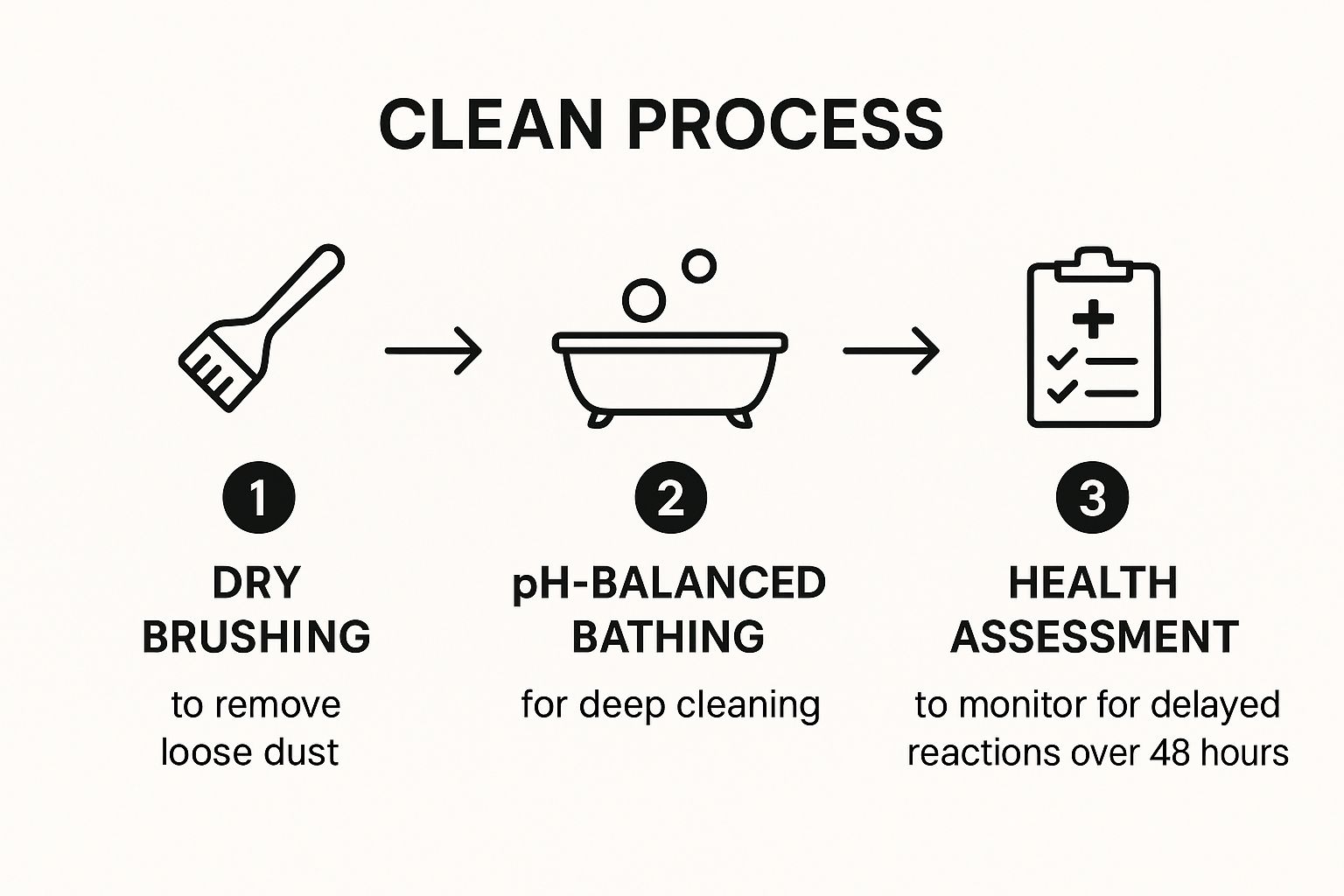
This flow from a gentle dry brush to a thorough wash and a final health check ensures that you address every potential risk methodically, safeguarding your pet's well-being.
How to Implement Your Post-Storm Protocol
To ensure your pet is completely free from sandstorm residue and to monitor for any delayed reactions, follow these essential steps:
- Allow Dust to Settle: Wait at least 30 minutes after your pet comes inside before starting the cleaning process. This allows airborne particles on their coat to settle, making them easier to remove.
- Start with a Dry Brush: Before bathing, use a wide-tooth comb or a soft brush to gently remove larger debris and loose dust. This prevents matting and stops you from pushing particles deeper into the fur and skin during the bath.
- Protect Sensitive Areas: Before the main bath, use a sterile saline solution (available at any pharmacy) to gently rinse your pet’s eyes. This flushes out any fine sand that could cause painful corneal scratches.
- Bathe Systematically: Work from head to tail, using a pH-balanced, hypoallergenic pet shampoo. Pay special attention to cleaning between paw pads, inside ear flaps (never squirt water directly into the ear canal), and within any skin folds where dust loves to hide.
- Post-Clean Health Watch: For the 48 hours following the storm, closely monitor your pet’s eating, drinking, and bathroom habits. Watch for any signs of respiratory distress, eye irritation, or lethargy. If you notice anything unusual, it's vital to consult your veterinarian immediately.
For a truly professional and stress-free decontamination, especially for pets who dislike bathing, a specialised service can be invaluable. You can learn more about professional mobile grooming in Dubai, which brings expert care right to your doorstep, ensuring a thorough and safe clean-up for both dog grooming and cat grooming after Dubai's dusty days.
8. Emergency Communication and Veterinary Access Planning
When a severe sandstorm hits Dubai, visibility can drop to near zero and travel can become hazardous, making it a terrifying time to face a pet emergency. A robust communication and veterinary access plan is not just a good idea; it's an essential part of your sandstorm safety checklist. This involves preparing for the worst-case scenario, ensuring you can reach help and get to a vet safely, even when normal services are disrupted.
A well-organised plan means you're not scrambling for numbers or directions during a crisis. It empowers you to act swiftly and decisively, which can be critical for your pet's well-being. This proactive approach significantly reduces stress for both you and your pet, ensuring that even in the chaos of a storm, a clear path to professional care is established and ready.
The power of community and planning is evident across Dubai. During severe sandstorms, local pet owner groups on WhatsApp have successfully coordinated emergency transport for pets needing urgent care, proving that a prepared network provides essential support.
How to Build Your Emergency Response Protocol
To ensure you're fully prepared, build a comprehensive emergency plan by following these actionable steps:
- Create a Contact List: Programme emergency numbers into your mobile phone. Include your primary vet, the nearest 24/7 animal emergency hospital, and a pet taxi service. For a list of reliable emergency contacts, Pets in the City offers valuable resources.
- Establish Backup Routes: GPS can be unreliable during severe weather. Keep physical maps in your car highlighting at least two different routes to your emergency vet. Familiarise yourself with these routes during calm weather.
- Build a Neighbourhood Network: Establish relationships with neighbours who also have pets. Agree to check on each other and assist with transport or temporary care if one of you is unable to leave home. A simple WhatsApp group can be a lifeline.
- Prepare an Emergency Kit: Alongside your pet’s go-bag, maintain an emergency cash reserve, as electronic payment systems may be affected during a power outage. Also include a portable phone charger or power bank to ensure you can always make a call.
By creating a detailed emergency plan, you are putting a crucial safety net in place, guaranteeing that you can access the help your pet needs without delay, no matter what the weather looks like outside.
8-Point Sandstorm Pet Care Checklist Comparison
| Item | Implementation Complexity 🔄 | Resource Requirements ⚡ | Expected Outcomes 📊 | Ideal Use Cases 💡 | Key Advantages ⭐ |
|---|---|---|---|---|---|
| Indoor Air Filtration and Purification Systems | Moderate to High: installation and maintenance needed | High: initial cost AED 1,500-8,000; filter replacements; electricity | Significantly reduces indoor particulate matter by 85-95% | Homes with pets during frequent or severe sandstorms | Consistent indoor air quality; reduces respiratory issues and dust accumulation |
| Emergency Pet Hydration and Eye Care Protocol | Low to Moderate: requires repeated daily actions | Moderate: supplies cost AED 150-250 per season; time-intensive care | Prevents eye infections and dehydration; immediate relief | Active management during dust storms; pets prone to eye issues | Cost-effective; easy to implement with basic supplies |
| Protective Clothing and Barrier Systems for Outdoor Exposure | Moderate: training pets and fitting gear required | Moderate to High: gear costs AED 300-800; cleaning after use | Enables safe limited outdoor exposure; protects skin, eyes, paws | Necessary outdoor activities during dust events | Maintains pet well-being outdoors; reduces grooming needs |
| Respiratory Health Monitoring and Alert System | Moderate to High: requires learning and daily commitment | Moderate: monitoring devices and apps; time for observations | Early detection of respiratory distress; reduces emergency visits | Pets sensitive to dust; owners proactive in health tracking | Personalized care; reduces anxiety by structured monitoring |
| Nutritional Support and Immune System Boosting During Dust Events | Moderate: requires dietary changes and supplementation | High: supplements add AED 200-500 monthly; veterinary guidance needed | Strengthened immunity; reduced inflammation; faster recovery | Long-term dust season support; pets with respiratory vulnerabilities | Integrates into feeding; improves overall resilience |
| Indoor Environmental Control and Safe Space Creation | Low to Moderate: involves home modifications and management | Low to Moderate: minor costs for modifications and supplies | Complete dust protection; reduced pet stress; maintained routines | Extended indoor sheltering during prolonged sandstorms | Creates predictable safe zones; concentrates purification efforts |
| Post-Storm Decontamination and Health Assessment Protocol | Moderate to High: time-consuming and requires supplies | Moderate: specific cleaning products; 1-2 hours per pet | Prevents secondary complications; thorough health assessment | After dust storm exposure; pets with respiratory/skin risk | Systematic cleaning; documents post-exposure health status |
| Emergency Communication and Veterinary Access Planning | Moderate: requires planning and coordination efforts | Low to Moderate: mainly organizational; apps, contact lists | Ensures rapid emergency response; reduces confusion | Severe sandstorms with potential pet health emergencies | Multiple backup options; community coordination |
Your Partner in Pet Wellness, Whatever the Weather
Navigating life in Dubai means embracing its unique climate, from the brilliant sunshine to the dramatic, swirling sandstorms. As a dedicated pet owner, your priority is always the well-being and comfort of your furry family member. By now, you’ve seen that a proactive and caring approach is the best defence against the challenges these dusty days present. This isn't just about closing windows; it's about creating a comprehensive fortress of care that protects your pet from every angle.
We've journeyed through a detailed sandstorm safety: a complete pet care checklist for Dubai's dusty days, covering everything from sophisticated indoor air filtration systems to the critical nuances of post-storm health assessments. Each point in our checklist, whether it’s establishing an emergency hydration protocol or planning your veterinary access, is a vital piece of a larger puzzle. Mastering these steps transforms you from a reactive pet owner into a prepared and confident guardian, capable of keeping your pet safe, calm, and healthy no matter what the weather forecast holds.
Key Takeaways for Proactive Pet Parents
The most crucial takeaway is that preparation is everything. Waiting until the sky turns a hazy orange is too late. The real work is done on clear, sunny days by putting systems and supplies in place to ensure your pet's comfort and health.
- Internal Fortress: Your primary goal is to make your indoor environment an impenetrable sanctuary. This involves investing in quality air purifiers, ensuring all windows and doors are sealed, and creating a designated "safe space" where your pet feels secure and shielded from outdoor chaos.
- Health Vigilance: Your role as a health monitor becomes paramount during and after a sandstorm. Recognising the subtle signs of respiratory distress, eye irritation, or dehydration allows for swift intervention, preventing minor issues from escalating into serious health concerns.
- The Power of Cleanliness: The aftermath of a sandstorm leaves a fine, pervasive layer of dust that can cause significant skin irritation and allergic reactions. A meticulous post-storm decontamination routine, including a professional grooming session, is not an indulgence but a necessary step in your pet’s healthcare.
Your Actionable Next Steps
Empowered with this knowledge, your path forward is clear. Begin by auditing your current preparedness level against the checklist we’ve provided. Do you have a pet-specific first-aid kit with saline eye wash? Is your vet’s emergency number saved and visible? Have you discussed respiratory health with your vet, especially if you own a brachycephalic breed like a Pug or Persian cat?
This checklist is more than a list; it's a blueprint for peace of mind. By implementing these strategies, you’re not just protecting your pet from physical harm; you're also safeguarding their emotional well-being. A calm and prepared owner fosters a calm and secure pet. The effort you invest today pays dividends in the form of a happy, healthy companion who can weather any storm, literal or figurative, by your side. You are their advocate, their protector, and their greatest source of comfort.
After the dust settles, ensuring your pet's coat is free from irritating particles is crucial for their skin and respiratory health. Let our professional team at Pets In The City provide the ultimate post-storm deep clean with our convenient at-home service, right at your doorstep. Experience the convenience of mobile pet grooming by booking a stress-free session for your dog or cat to restore their comfort and shine. Contact us today or visit us at Pets In The City.
