
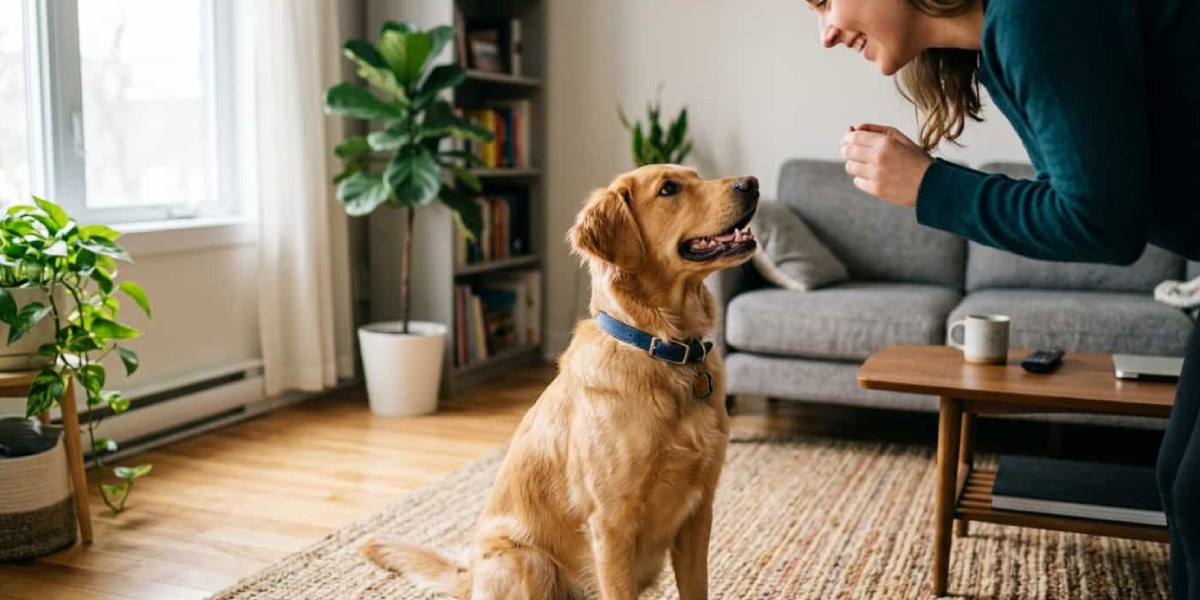
If you live in Dubai, you already know how apartment life works here. Most people are in high-rise buildings, especially in places like Marina, JVC, or Downtown. Pets spend more time indoors than people realise. Cats sleep near windows, dogs wait for their evening walk, and during summer, everyone avoids going outside in the middle of the day.
That’s probably why weight gain has quietly become one of the most common problems vets see in apartment pets. Less movement, smaller spaces, more indoor time, it adds up faster than most owners expect. Even people using mobile dog grooming Dubai services often first notice weight gain during regular grooming appointments when their pet starts looking heavier around the waist or struggles during grooming.
The thing is, pet obesity is not really about appearance. Extra weight affects joints, energy levels, breathing, and overall health. Studies now show that around 59% of dogs and 61% of cats are overweight or obese. And in apartment settings, the risk becomes even higher. But honestly, preventing it is usually simpler than people think. It mostly comes down to routine, portion control, and keeping pets mentally active indoors.
Why Apartment Pets Gain Weight Faster
A lot of it comes down to lifestyle. In villas, pets naturally move around more. They follow people outside, run through the garden, or stay active throughout the day without much effort from the owner.
In apartments, movement becomes more structured. Dogs wait for walks. Cats stay in the same few rooms most of the day. And when Dubai’s heat gets extreme, outdoor activity drops even more. So pets start burning fewer calories while still eating the same amount.
Common reasons apartment pets gain weight include:
- Less daily movement
- Too many treats
- Long indoor hours
- Feeding out of habit
- Boredom eating
- Shorter walks during summer
The difficult part is that weight gain usually happens slowly. Most owners don’t notice it immediately.
Portion Sizes Matter More Than Most Owners Think
This is probably the biggest issue vets talk about. A lot of people estimate food portions without realising how inaccurate it can be. One extra scoop every day may not seem like much, but over months, it makes a visible difference. For indoor pets, portion control matters more because activity levels are lower.
A few simple habits help a lot:
- Feed meals at the same time daily
- Use a measuring scale instead of guessing
- Avoid constantly topping up food bowls
- Adjust portions based on activity levels
- Keep treats within daily calorie intake
Even small adjustments usually help pets maintain a healthier weight long term.
Treats Add Up Quickly In Apartment Pets
Most owners don’t think treats are a problem because they seem small. But treats are usually where extra calories build up quietly. Especially with apartment pets, where movement is already limited. That doesn’t mean you stop treats completely. It just means being more mindful about them.
A few things that help:
- Break treats into smaller pieces
- Avoid feeding human food regularly
- Choose lighter treat options
- Use treats for training instead of random feeding
- Keep treats below 10% of daily food intake
Dogs and cats usually care more about the attention than the actual size of the treat anyway.
Indoor Exercise Matters More In Dubai
This becomes especially important during summer. When outdoor walks become shorter because of the heat, pets still need a way to release energy indoors. Otherwise, they become inactive very quickly. The good thing is you don’t really need a huge space. Even smaller apartments can support enough daily movement with a little consistency.
Easy Indoor Activities For Dogs
Dogs usually adapt well to short indoor play sessions.
A few activities that work well:
Hallway Fetch
Soft toys or lightweight balls work well indoors without damaging furniture.
Hide-And-Seek Games
Hide treats or toys around the apartment and let your dog search for them.
Tug Games
Simple tug sessions help burn energy and keep dogs mentally engaged.
Indoor Obstacle Courses
Using cushions or chairs creates small movement challenges that keep dogs active indoors.
Usually, two or three short sessions during the day are enough to make a noticeable difference.
Indoor Cats Need More Stimulation Than People Think
Cats are naturally less active indoors if nothing encourages movement. A lot of owners buy toys, leave them on the floor, and then wonder why the cat ignores them after two days. Most cats prefer interactive play instead.
A few things that work well:
- Feather wand toys
- Laser pointer sessions
- Cat climbing trees
- Puzzle feeders
- Rotating toys every few days
The goal is not to exhaust them. It’s just keeping them moving consistently.
Boredom Eating Is More Common Than People Realise
This happens a lot with apartment pets. Some pets start asking for food simply because they’re bored. Owners assume they’re hungry and give more treats or snacks throughout the day.
Over time, that routine becomes weight gain. Mental stimulation helps reduce this more than people expect. Simple things like puzzle feeders, scent games, or short play sessions can keep pets mentally occupied and reduce unnecessary eating.
How To Tell If Your Pet Is Gaining Weight
Most pets gain weight gradually, so it can be difficult to notice early.
A quick body check at home helps.
Check The Ribs
You should be able to feel the ribs without pressing too hard.
Look For A Waistline
From above, your pet should still have a slight waist shape.
Watch Their Movement
If your pet becomes slower, avoids jumping, or gets tired quickly, weight could be part of the issue.
Regular grooming appointments also help owners notice body condition changes earlier. Many people using cat grooming in Dubai services first realise their cat has gained weight when grooming becomes harder around the stomach or lower back area.
When To Ask Help
Sometimes weight gain is not only about food or exercise. If your pet suddenly gains weight, becomes less active, or struggles with movement despite routine changes, it’s worth speaking with a vet. Certain health conditions like arthritis, diabetes, or hormonal problems can also affect weight.
Some signs to watch for include:
- Sudden weight gain
- Difficulty walking or climbing
- Constant hunger
- Low energy levels
- Increased thirst
- No improvement after diet changes
Getting professional advice early usually makes weight management much easier.
Keeping Apartment Pets Healthy Is Mostly About Routine
Honestly, most healthy apartment pets follow the same basic pattern. Consistent meals. Daily movement. Mental stimulation. Regular grooming. Proper rest. That’s usually what makes the difference. Pets living in apartments can absolutely stay healthy and active in Dubai, even without a garden. It just takes a little more awareness and a bit more structure in their daily routine. We believe that proactive care is the foundation of a long and happy life for your pet.
Experience the convenience of at-home pet grooming by booking our mobile service, or get in touch for expert veterinary advice. Book Your At-Home Grooming or Vet Appointment Now
