
Working with pets across Dubai, certain patterns start to become obvious over time. At Pets in the City, we see these shifts play out daily through the animals we care for and the questions owners ask. More first-time owners. Smaller breeds in high-rise buildings. Cats in apartments that never had animals before. Clients asking more detailed questions about food, skin, weight, behaviour. People budgeting for grooming as a fixed expense rather than an occasional treat.
Pet ownership hasn’t just increased. It’s settled into daily life. The conversation in 2026 isn’t “Should we get a pet?” It’s “How do we manage this properly?”
Today’s Pet Owners In Dubai
A decade ago, pet ownership in Dubai was more concentrated. Today it’s distributed. Young professionals living alone are getting cats or small dogs. Families are adding pets as part of routine home life rather than as a special decision. Emirati households continue long-standing animal ownership, now paired with more structured veterinary and grooming schedules. Short-term residents are choosing animals that fit apartment restrictions and flexible contracts.
Across the UAE, there are roughly 1.5 million pet owners caring for more than 2 million animals. Monthly spending typically ranges from AED 500 to AED 2,000 per pet, depending on medical care, grooming frequency, and food choices. What’s changed most is predictability. Expenses are planned. Grooming is scheduled. Vaccinations are tracked. Ownership looks less impulsive and more structured.
| Owner Segment | Primary Motivations | Common Pet Choices | Key Service Demands |
|---|---|---|---|
| Young Expat Professionals | Companionship, emotional support, a sense of “home” away from home. | Small dogs, cats, exotic pets that suit apartment living. | Mobile grooming, dog walkers, premium food delivery, pet-sitting. |
| Established Families | Teaching children responsibility, family bonding, security. | Larger dog breeds (e.g., Golden Retrievers), cats, family-friendly pets. | At-home vet visits, trusted groomers, obedience training, pet-friendly community events. |
| Emirati Households | Cultural appreciation for animals, companionship, family tradition. | Falcons, cats, purebred dogs, and increasingly, small companion animals. | Specialised grooming for specific breeds, high-end pet accessories, premium veterinary care. |
| Digital Nomads & Short-Term Residents | Flexibility, companionship during their stay, low-commitment pets. | Cats, smaller dogs, fish. | On-demand services, flexible pet care subscriptions, easily accessible vet clinics. |
Why Smaller Pets Are Dominating Central Dubai
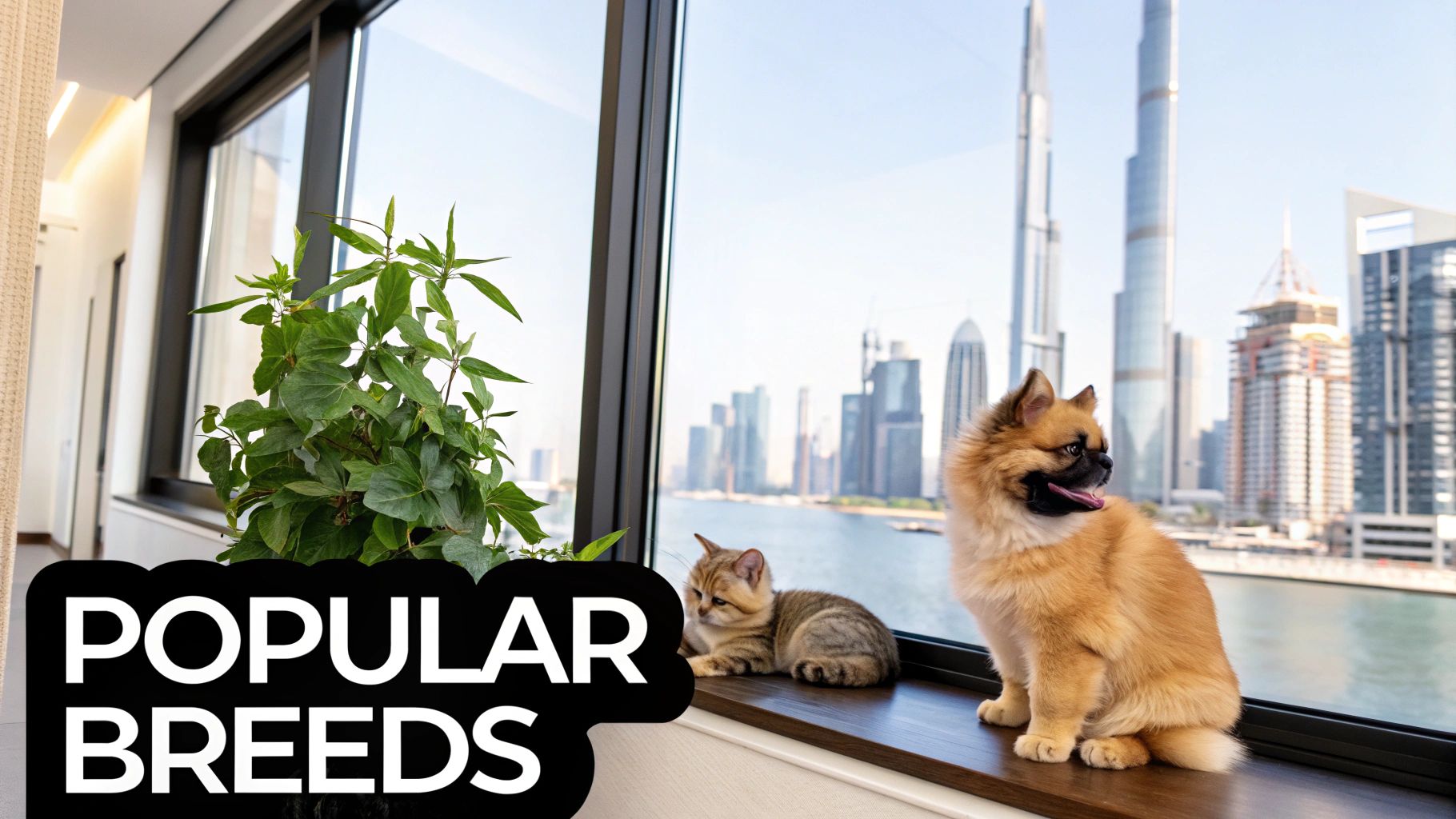
Walk through Dubai Marina, Downtown, or JVC and you’ll see the same pattern repeated: small dogs and indoor cats. This isn’t preference alone. It’s architecture. High-rise living naturally limits space. Elevators replace backyards. Outdoor time depends on temperature, and for much of the year, temperature limits everything.
Cats fit that environment with little adjustment. They stay indoors. They regulate activity around climate control. British Shorthairs, Persians, and Siamese remain common because they adapt well to that structure. With dogs, size matters more now than it used to. French Bulldogs, Pomeranians, Shih Tzus, and Chihuahuas appear frequently because they’re manageable in apartments and require less physical space.
That doesn’t mean they’re low maintenance. Smaller breeds often need more consistent grooming, especially in heat and dust. Coat neglect shows quickly in this climate. The environment rewards compact animals but punishes inconsistent care.
Spending Has Moved Toward Prevention
The most measurable shift is financial. The UAE pet food market grew from around $61.8 million in 2014 to roughly $219 million in 2024. That growth reflects premiumisation. Owners are moving away from basic supermarket brands and toward specialised diets. Breed-specific food. Grain-free formulas. Limited-ingredient options. Fresh and refrigerated products.
Supplements have become common rather than niche. Joint support for small breeds. Omega oils for coat health. Probiotics for digestion. Calming supplements during peak heat months. The pattern is preventative rather than reactive. Owners are trying to avoid skin problems, weight gain, and digestive issues before they escalate. It’s less about luxury and more about risk reduction.
Grooming Is No Longer Optional
In Dubai, grooming isn’t cosmetic. It’s environmental management. Heat increases oil production. Dust settles into coats daily. Indoor air conditioning dries skin while outdoor humidity slows drying after baths. The combination makes coat maintenance necessary, not aesthetic.
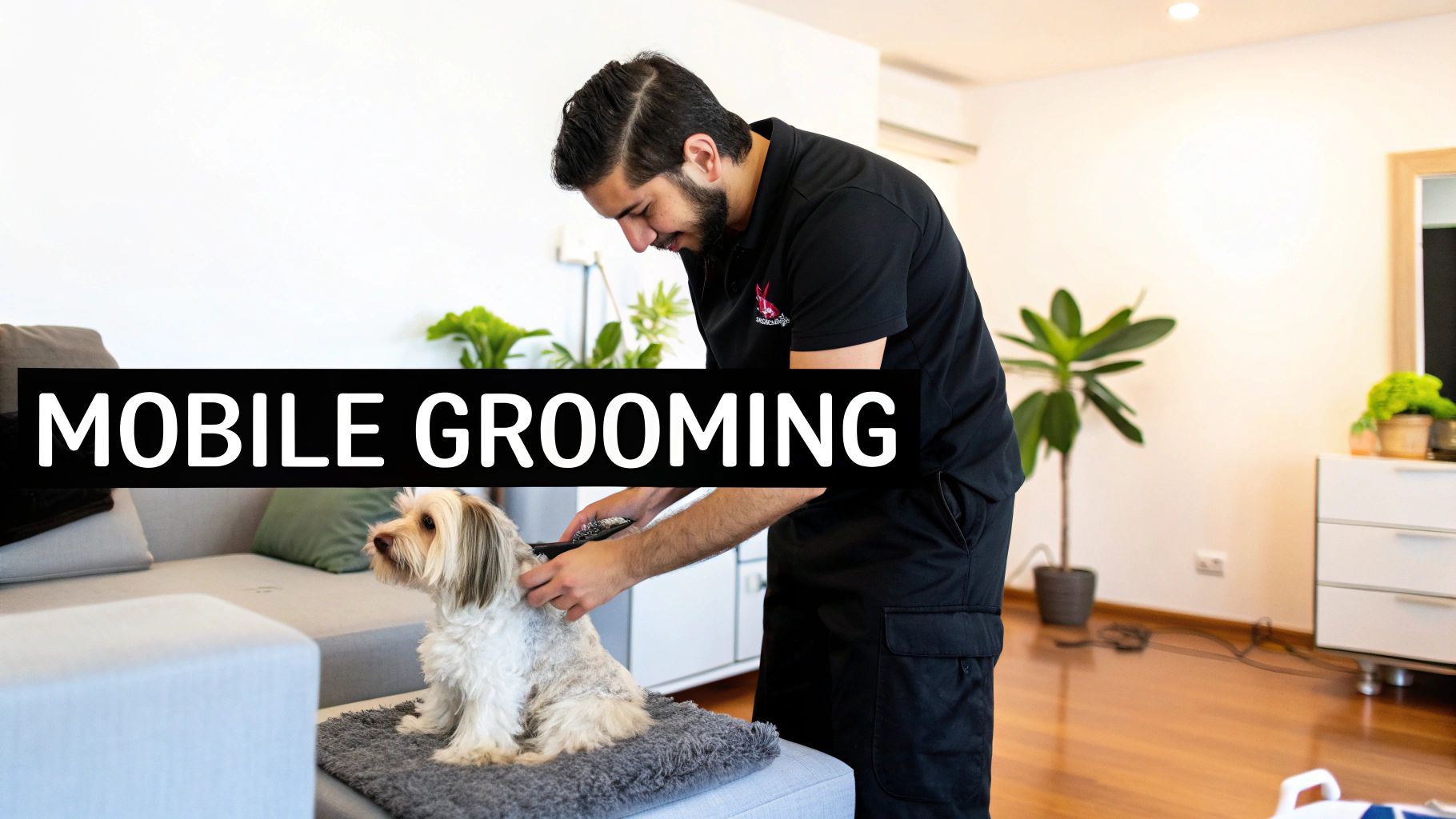
Mobile grooming has grown because transport in extreme heat adds stress. Removing the car journey reduces agitation in both dogs and cats. It also reduces scheduling friction for owners. But mobile services vary. Climate control inside the van, water temperature stability, tool sanitation, and rinsing time matter more here than they would in milder climates. Many owners searching for dog grooming Dubai services are beginning to notice that consistency matters more than branding. Poorly rinsed shampoo in hard water leaves residue. Residue in heat turns into irritation. Irritation turns into scratching. Owners assume allergies. Often it’s incomplete rinsing combined with environmental pressure. Consistency solves most recurring coat issues.
Boarding Demand Mirrors Travel Patterns
Dubai remains a transient city. Travel is frequent. As a result, boarding and pet sitting have expanded steadily. The UAE pet boarding and sitting market generated approximately USD 25.5 million in 2024 and is projected to exceed USD 44 million by 2030. Owners are less focused on branding and more focused on supervision. Clean facilities. Controlled temperatures. Limited pet-to-staff ratios. Clear communication. The expectation is professional structure, not informal caretaking.
Regulation Is Part Of Ownership Now
Pet ownership in Dubai requires:
- Microchipping
- Valid vaccinations
- Registration with Dubai Municipality
- Annual renewal
Breed restrictions remain in place. Public parks and beaches are largely off-limits. Dogs must remain leashed where permitted. Compliance has become routine rather than exceptional. Most owners understand the requirements and build them into annual planning.
What Pet Ownership Looks Like In 2026
Pet ownership in Dubai is no longer a novelty wave.
The defining traits are:
- Smaller pets in dense residential areas
- Higher recurring spending per animal
- Preventative health focus
- Dependence on structured services
- Regulatory awareness
We see the shift is clear in day-to-day conversations and appointments. Owners ask more specific questions. They pay attention to detail. Services are chosen based on consistency, hygiene standards, and visible results rather than advertising.
Pets are built into household routines the same way work schedules and school timings are. Grooming is pre-booked. Health checks are tracked. Care follows a structure instead of happening reactively. In a city defined by heat, high-rise living, and constant movement, the animals that stay comfortable are usually the ones whose care stays consistent throughout the year.
