
Welcome to Dubai, a wonderful city for people and their animal companions! While we all enjoy the beautiful sunshine and vibrant lifestyle, our unique climate presents specific health challenges for our beloved cats and dogs. As local pet care experts with a mobile pet grooming service established in 2011, we've seen first-hand the common issues that affect pets in neighbourhoods from Jumeirah to Mirdif.
Understanding these regional risks is the first step toward ensuring your companion enjoys a long, happy, and healthy life. This guide is designed to empower you with practical, preventative knowledge, turning concern into confident, proactive care. We will explore the top five pet health issues we see in Dubai, from heat-related illnesses to the effects of sand and dust.
More importantly, we will provide simple, effective strategies you can implement at home to prevent them. This article will give you actionable insights to help protect your furry family member, ensuring peace of mind for you and ultimate comfort for your pet. Let's dive into keeping your pets thriving in our sunny home.
1. Heat Stroke and Heat-Related Illnesses
Dubai’s sunshine is one of its most famous attractions, but for our furry family members, the intense heat presents a serious and often life-threatening risk. Heat stroke is one of the most critical pet health issues we see in Dubai, especially during the summer months when temperatures can soar towards 50°C.
Unlike humans, dogs and cats cannot sweat effectively to cool down. They rely primarily on panting, which becomes inefficient in Dubai’s high humidity. When a pet’s internal body temperature rises faster than they can cool it down, it can quickly lead to severe organ damage and, in tragic cases, can be fatal. This isn't just a summer problem; Dubai's year-round warmth means pet owners must always be vigilant.
Why It's a Top Concern in Dubai
The unique climate here makes every pet vulnerable. Breeds with thick, double coats (like Huskies or Golden Retrievers) and brachycephalic (flat-faced) breeds like Pugs, French Bulldogs, and Persian cats are at an even higher risk due to their compromised breathing ability. Leading veterinary specialists in Dubai highlight that even short exposure to extreme heat can be dangerous.
Success stories from local initiatives prove that awareness makes a huge difference. For example, Dubai Municipality's 'Hot Weather Pet Safety' campaign led to a significant reduction in heat stroke cases, showing that proactive care from owners is the best defence.
To help you understand the core facts at a glance, this summary box highlights the key numbers every Dubai pet owner should know.
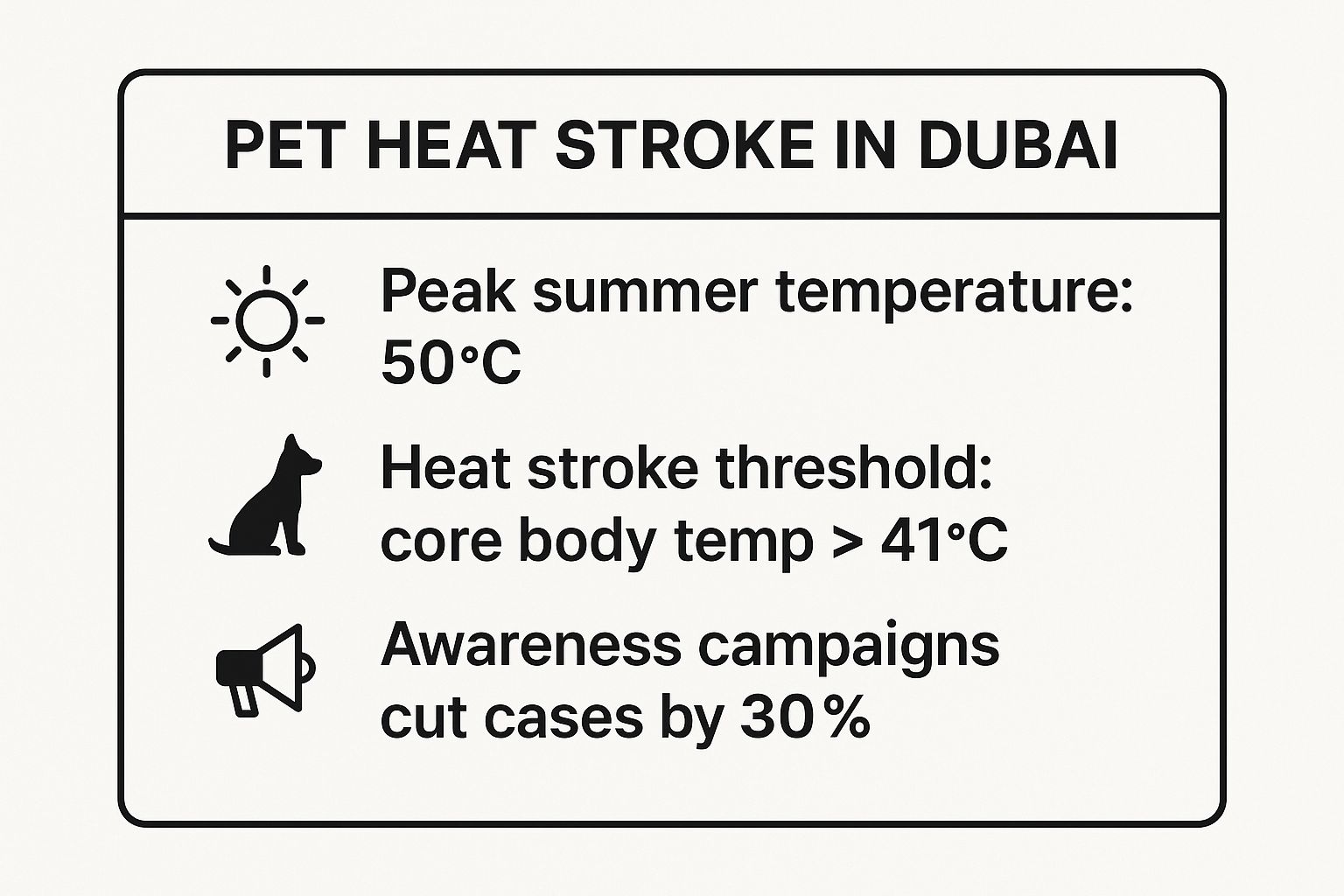
These figures clearly show the narrow margin for safety, emphasising why prevention is absolutely essential for pet care in Dubai.
Actionable Prevention Strategies
Protecting your pet is all about managing their environment and daily routines. Simple adjustments can make a world of difference to their well-being.
Key Insight: Never, ever leave your pet in a car, not even for a minute. Even with the AC running or windows cracked, a car's interior can become a deadly oven in the Dubai sun. It's a risk that is never worth taking for your pet's safety.
Here are some practical, life-saving tips you can implement immediately:
- Time Your Walks: Restrict all outdoor walks and strenuous play to the coolest parts of the day. This means before 7 AM and after 8 PM during the peak summer months in areas like Downtown Dubai or Dubai Marina.
- Protect Their Paws: Pavements and sand can reach scorching temperatures, causing severe burns to sensitive paw pads. Invest in a good pair of protective pet boots for any necessary outdoor trips.
- Create a Cool Home Environment: Ensure your pet always has access to a cool, shaded area indoors. Cooling mats are an excellent investment, and always provide multiple sources of fresh, cool water. Consider UV-blocking films for windows in sunny rooms.
- Groom for the Climate: A heavy coat traps heat, reducing your pet's comfort. Our mobile grooming service provides professional dog grooming and cat grooming right at your home, including a "summer cut" to thin your pet's coat without compromising their skin's protection from the sun.
- Know the Warning Signs: Be alert for symptoms like excessive panting, drooling, bright red gums, lethargy, or collapse. If you notice these signs, move your pet to a cool area, apply cool (not ice-cold) water to their body, and contact your vet immediately. This is a medical emergency.
2. Sand and Dust-Related Eye and Respiratory Issues
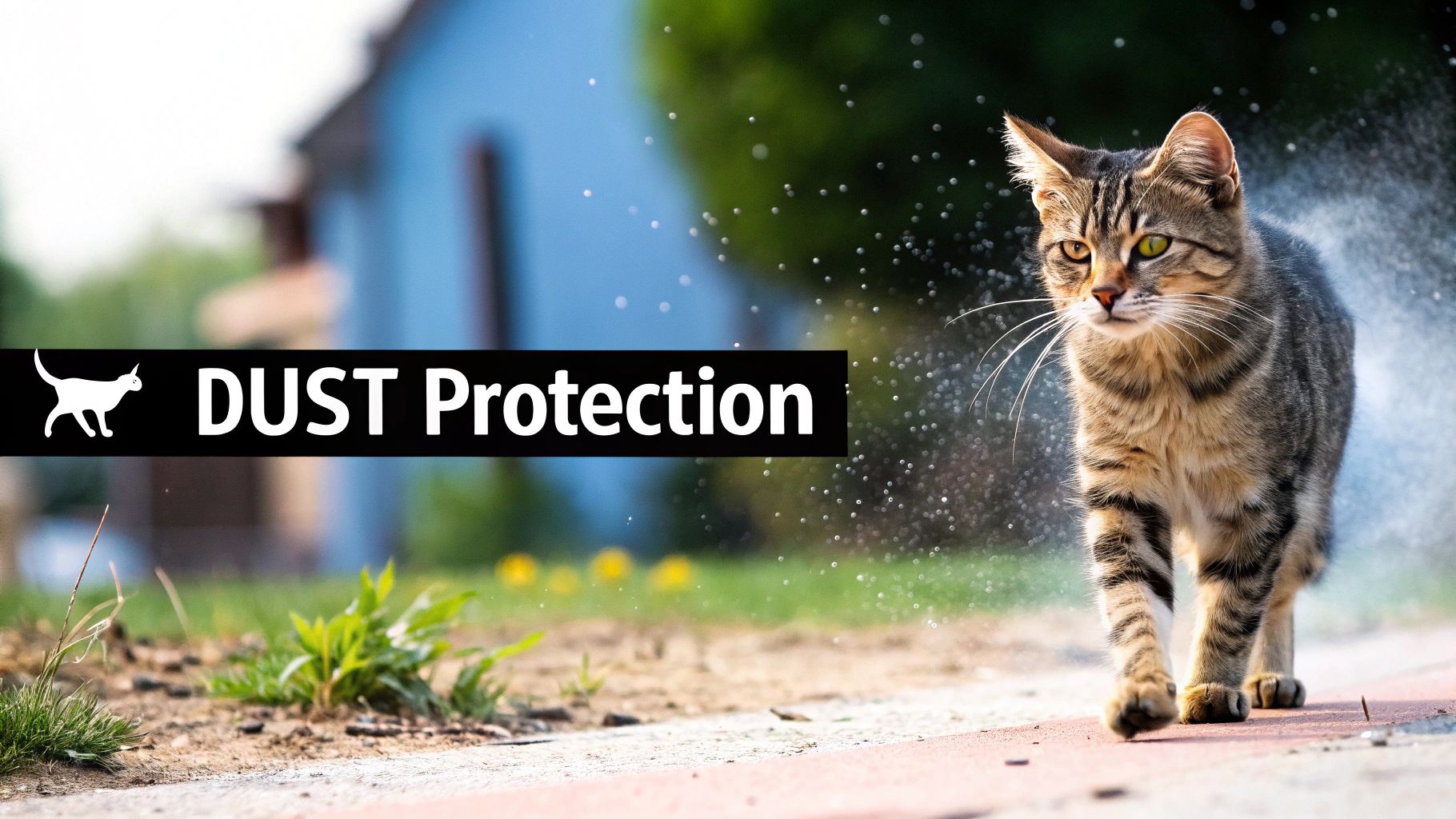
Dubai’s stunning desert landscape comes with a unique environmental challenge: fine sand and dust. Frequent sandstorms and a generally dusty climate mean our pets are constantly exposed to microscopic airborne particles that can cause significant irritation to their eyes, respiratory systems, and even their skin. This is a persistent, year-round concern that makes this one of the most common pet health issues we see in Dubai.
These tiny particles, often too small to see, can easily become trapped in a pet's tear ducts or inhaled deep into their lungs. This constant exposure can lead to chronic inflammation, discomfort, and recurring infections, impacting your pet’s overall well-being and quality of life.
Why It's a Top Concern in Dubai
The sheer frequency of dusty days makes this an unavoidable issue for every pet owner in the city. Dubai can experience between 30 and 40 dusty days annually, with particulate levels often soaring above global safety guidelines. This isn't a rare event; it's a fundamental part of the local environment that requires proactive management.
Local veterinary clinics confirm the scale of the problem, reporting significant increases in eye infection cases during the peak dust season from March to May. Many respiratory cases treated in Dubai are also directly linked to dust exposure. Respected veterinary ophthalmology specialists regularly speak on the rise of chronic conditions like "dry eye" in pets due to persistent environmental irritants. While some desert-adapted breeds have natural defences, most domestic pet breeds in Dubai do not. For more insight, you can learn more about desert dog breeds and their history on petsinthecity.me.
Actionable Prevention Strategies
Protecting your pet from invisible irritants is about creating a clean and safe micro-environment, both indoors and out, to ensure their comfort.
Key Insight: Your pet's first line of defence is a clean home. Microscopic dust settles on every surface, including your pet's bed and toys. Regular cleaning and air purification can dramatically reduce their daily exposure and prevent chronic health issues from developing.
Here are some practical, effective tips to safeguard your pet’s health:
- Monitor Air Quality: Keep an eye on the daily air quality and dust level alerts. On days with high dust warnings, keep outdoor time to an absolute minimum for all pets to protect their health.
- Implement a "Wipe Down" Routine: After any time spent outdoors, use a damp cloth or pet-safe wipes to gently clean your pet's face, eyes, and paws. This simple step removes irritating particles before they can cause inflammation.
- Purify Your Indoor Air: Invest in a high-quality air purifier with a HEPA filter for the rooms where your pet spends the most time. This is one of the most effective ways to reduce indoor airborne dust.
- Consider Protective Gear: For dogs that must go outside during moderately dusty conditions, specialised pet goggles can offer excellent protection for their sensitive eyes.
- Maintain Regular Grooming: Dust and sand can get trapped in your pet's coat, leading to skin irritation. Our convenient at-home service for mobile pet grooming Dubai ensures your pet's coat is kept clean and free of embedded dust, which is crucial for their overall comfort.
- Know the Warning Signs: If you notice symptoms like squinting, red eyes, excessive blinking, coughing, or sneezing, it is important to see a vet for a proper diagnosis.
3. Dehydration and Kidney Disease
Dubai's arid climate isn't just a challenge for staying cool; it poses a significant, often silent, threat to our pets' internal health. Chronic dehydration is a major concern, leading directly to one of the more serious pet health issues we see in Dubai: kidney disease. Pets lose water rapidly through panting in the dry heat, and their natural thirst drive often cannot keep up with the rate of fluid loss.
This constant, low-grade dehydration puts immense strain on the kidneys, the vital organs responsible for filtering waste from the blood. Over time, this stress can lead to irreversible kidney damage. Vets in the region have noted a significant increase in kidney disease diagnoses, making proactive hydration management a non-negotiable part of responsible pet care in Dubai.
Why It's a Top Concern in Dubai
The link between Dubai's climate and kidney health is well-documented by local veterinary professionals. Awareness campaigns have highlighted just how quickly dehydration can impact organ function.
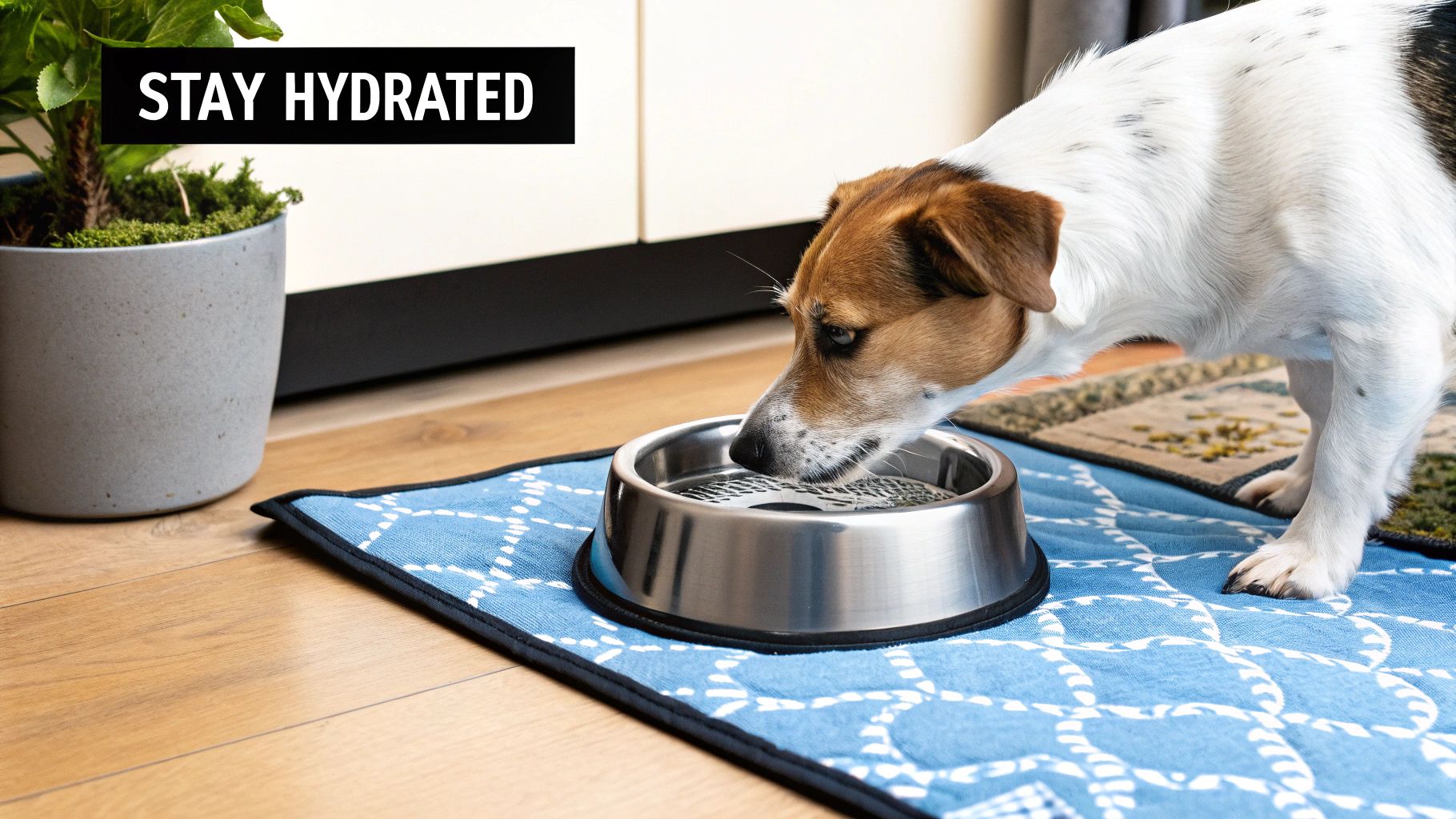
Local clinics are responding with proactive measures, such as implementing mandatory annual kidney screenings, which has led to detecting more cases at an early, more manageable stage. The success of these programmes proves that owner intervention is key to preserving their pet's long-term health. Even luxury pet hotels in Dubai now commonly include automatic water fountains in their suites, acknowledging the critical need for constant hydration.
Actionable Prevention Strategies
Protecting your pet’s kidneys starts with simple, consistent habits focused on maximising their water intake. Small changes to their daily routine can have a profound impact on their long-term health and well-being.
Key Insight: A pet's thirst is not always a reliable indicator of their hydration needs, especially in Dubai's climate. It is up to us as caring owners to be proactive and make drinking water as easy and appealing as possible for them.
Here are some practical, life-saving tips you can implement immediately:
- Offer Multiple Water Sources: Do not rely on a single water bowl. Place several fresh, clean water bowls throughout your home, especially in rooms where your pet spends a lot of time.
- Embrace Wet Food: Dry kibble has a very low moisture content. Supplementing or switching to a high-quality wet food is one of the easiest ways to significantly increase your pet's daily water intake.
- Invest in a Water Fountain: The sound and movement of a pet water fountain can entice reluctant drinkers. The constantly filtered, flowing water often tastes fresher and more appealing to both cats and dogs.
- Monitor Their Intake: A healthy pet should drink approximately 50ml of water per kilogram of body weight each day. If you notice a sudden change in their drinking habits, it’s best to consult your vet.
- Prioritise Annual Vet Checks: Insist on annual blood work for your pet. This simple test checks key kidney function markers, allowing your vet to catch any potential issues long before visible symptoms appear.
- Get Creative with Hydration: Add water or a low-sodium bone broth to their meals. You can also offer hydrating treats like small pieces of watermelon (seedless) or cucumber.
4. Parasites and Vector-Borne Diseases
While Dubai’s climate is a dream for sun-seekers, it also creates a year-round paradise for pests like fleas, ticks, and mosquitoes. Parasites and the diseases they carry are a significant and persistent pet health issue we see in Dubai. Unlike temperate climates where winter offers a brief respite, Dubai’s warm temperatures allow these pests to thrive continuously.
The city’s irrigated green spaces and pet-friendly communities provide ideal microenvironments for parasites to breed. This means your pet is at risk of infestation every single day of the year, not just during the summer. Constant vigilance and a robust prevention plan are absolutely essential for keeping your pet safe and healthy.
Why It's a Top Concern in Dubai
Dubai’s status as a global travel hub adds another layer of complexity. The constant movement of pets into and out of the country can introduce new or exotic parasites that local pets may have no immunity against. Veterinary parasitologists in Dubai frequently highlight that year-round prevention is the only effective strategy against threats like heartworm, which is transmitted by mosquitoes.
Local clinics have seen remarkable success with proactive measures and community education programs, which have successfully reduced cases of preventable diseases through awareness and consistent preventative care. These initiatives reinforce that prevention is far better than cure.
Actionable Prevention Strategies
A proactive, multi-faceted approach is the best defence against these invisible threats. Integrating simple habits into your routine can protect your pet from discomfort and serious illness, giving you peace of mind.
Key Insight: Consistency is everything. A single missed dose of a monthly preventative can leave your pet vulnerable. Set a recurring reminder on your phone to ensure you never forget this crucial health commitment.
Here are some practical, expert-recommended tips to keep your pet parasite-free:
- Year-Round Prevention: Do not skip monthly preventative treatments, even in the cooler months. Use a broad-spectrum product recommended by your vet that covers fleas, ticks, and worms, including heartworm.
- Regular Vet Check-ups: Schedule faecal examinations (testing of a stool sample) with your vet every six months to screen for internal parasites that don't show obvious outward symptoms. Early detection is key to effective treatment.
- Manage Your Environment: Avoid letting your pet drink from or play in stagnant water, as these are prime breeding grounds for mosquitoes. Keep your garden tidy and grass short to reduce tick habitats.
- Quarantine New Arrivals: If you are welcoming a new pet, especially one from abroad, it is vital to have a full veterinary check-up before introducing them to existing pets. For a detailed guide, you can learn more about relocating your pet to Dubai and the necessary veterinary steps.
- Leverage Professional Grooming: Regular grooming is one of your best lines of defence. Our professional mobile pet grooming service in Dubai includes a thorough check of your pet’s skin and coat, making it easier to spot fleas, ticks, or skin abnormalities early.
5. Obesity and Lifestyle-Related Disorders
While Dubai's vibrant lifestyle is a draw for people, it can inadvertently create a sedentary one for our pets. The extreme heat limits outdoor exercise for a significant portion of the year which, combined with a tendency for owners to show love through treats, has led to a dramatic rise in pet obesity. This is far more than a cosmetic issue; it's a serious health crisis that tops our list of pet health issues in Dubai.
Excess weight places immense strain on a pet’s body, acting as a gateway to debilitating conditions such as diabetes, arthritis, and heart disease. In Dubai, where pets may spend many months of the year with reduced activity, the risk is particularly high. We’ve seen estimates suggesting pet obesity rates here could be significantly higher than global averages, making proactive management a crucial part of responsible pet ownership.
Why It's a Top Concern in Dubai
The unique challenge in Dubai is the prolonged indoor season. The extended high temperatures here enforce a less active lifestyle, which requires pet owners to be more creative and diligent about managing their pet's weight. Success stories, however, prove that it is an achievable goal. Many veterinary clinics and dedicated pet fitness centres now offer climate-controlled exercise solutions.
These initiatives focus on a holistic approach involving diet, mental stimulation, and structured exercise, proving that pets in Dubai can thrive and maintain a healthy weight with the right strategy.
Actionable Prevention Strategies
Preventing obesity is about creating a balanced lifestyle that works within the constraints of the Dubai climate. It requires a conscious effort to manage both diet and activity levels for your pet's long-term well-being.
Key Insight: A few extra kilograms on a pet is equivalent to a significant amount of excess weight on a human. For a small dog, even 1kg of extra weight can severely impact their joints and overall health. Consistency, not intensity, is the key to sustainable weight management.
Here are some practical, effective tips you can start using today:
- Measure Every Meal: Stop guessing portions. Use a kitchen scale to measure your pet’s food precisely according to your vet's recommendation. This is the single most effective step you can take.
- Rethink Treat-Giving: Replace high-calorie commercial treats with healthy alternatives like small pieces of carrot or green beans. Treats should make up no more than 10% of their daily calorie intake.
- Maximise Safe Outdoor Time: Utilise the cooler hours. A brisk walk or play session between 5 AM and 7 AM or late in the evening provides essential physical and mental stimulation.
- Boost Indoor Activity: Turn your home into a playground. Use puzzle feeders to make meal times a fun challenge, play indoor fetch in a long hallway, or set up climbing structures for cats.
- Consider Low-Impact Exercise: Swimming is an excellent, joint-friendly exercise. Many pet-friendly facilities in Dubai offer pools where your dog can burn calories without stressing their joints.
- Schedule Regular Weigh-ins: Monitor your pet’s Body Condition Score (a visual and physical assessment of their body fat) with your veterinarian. Regular check-ups help you catch weight gain early. You can discover more advice by exploring some useful pet care tips to keep them safe and healthy.
Top 5 Pet Health Issues: Symptoms, Causes & Prevention
| Condition | 🔄 Implementation Complexity | 💡 Resource Requirements | 📊 Expected Outcomes | 💡 Ideal Use Cases | ⭐ Key Advantages |
|---|---|---|---|---|---|
| Heat Stroke and Heat-Related Illnesses | High – requires constant vigilance, emergency care | High – cooling equipment, vet emergency visits | Severe risk if untreated; early intervention effective | Pets in extreme heat, brachycephalic breeds, outdoor pets in summer | Preventable; early treatment has excellent success rates |
| Sand and Dust-Related Eye and Respiratory Issues | Moderate – ongoing environmental monitoring needed | Moderate – eye drops, air filters, indoor shelter | Mostly reversible with treatment; prevents chronic conditions | Pets exposed to dusty outdoor environments, sandstorm seasons | Inexpensive prevention; quick symptom resolution |
| Dehydration and Kidney Disease | Moderate – requires routine monitoring and hydration management | Moderate-High – water fountains, vet tests, special diets | Chronic condition if untreated; early detection improves prognosis | Indoor/outdoor pets in arid climate prone to dehydration | Easily preventable; modern diets effective |
| Parasites and Vector-Borne Diseases | Moderate-High – requires monthly preventive treatments year-round | Moderate – regular meds, vet screenings | High prevention success; possible resistance if poorly managed | Year-round prevention in warm, humid microenvironments | Highly effective preventives; broad parasite coverage |
| Obesity and Lifestyle-Related Disorders | Moderate – needs lifestyle/diet adjustments and tracking | Moderate-High – weight programs, indoor exercise options | Reversible with lifestyle changes; reduces comorbidities | Pets with limited outdoor activity due to heat or owner habits | Highly preventable; indoor exercise alternatives available |
Your Partners in Proactive Pet Care
Navigating your pet’s health journey in Dubai is a rewarding experience, and you are now equipped with the knowledge to do it confidently. We've explored the top 5 pet health issues we see in Dubai, from the intense risk of heat stroke to the subtle creep of lifestyle-related obesity. Understanding these challenges is the first, most crucial step towards prevention.
The common thread linking the prevention of these diverse issues—whether it's dehydration, parasite-borne diseases, or respiratory problems from sand and dust—is proactive, consistent care. Your role as a vigilant pet parent is irreplaceable. By observing your pet's daily habits, you become the first line of defence, able to spot subtle changes that might signal an underlying problem.
Key Takeaways for a Healthy Dubai Pet
Let's quickly recap the most powerful actions you can take for your pet's well-being:
- Master the Environment: Always be mindful of the heat. Schedule walks for the cooler hours and never, ever leave your pet in a parked car. Ensure constant access to fresh, cool water to combat dehydration.
- Prioritise Prevention: Stay diligent with year-round parasite control as advised by your vet. This simple routine is your strongest shield against ticks, fleas, and the serious diseases they can carry.
- Balance Diet and Exercise: Provide a high-quality, balanced diet and engage your pet in regular, climate-appropriate play and exercise. This is fundamental to preventing obesity and supporting overall health.
Creating a safe indoor sanctuary is also paramount, especially on dusty days. For families managing sensitivities, implementing strategies for reducing household allergens can create a more comfortable environment for both pets and people, minimising respiratory irritants.
Ultimately, you are your pet’s greatest advocate. Partnering with a trusted veterinary team transforms your efforts into a comprehensive wellness strategy. Regular check-ups, open communication, and professional guidance ensure that your beloved companion doesn't just survive in Dubai—they thrive.
Experience the convenience of at-home pet grooming by booking our mobile service. The professional and compassionate team at Pets In The City is here to support you with expert grooming and advice tailored to your pet's needs in Dubai's unique environment. Contact Pets In The City today to schedule an appointment and ensure your furry family member looks and feels their best.
